Understanding the Zero-Waste Movement
The zero-waste movement advocates for a minimal waste lifestyle, focusing on eliminating waste through conscious efforts to reduce, reuse, and recycle. Originating in the late 20th century, this movement is woven into the broader context of environmentalism, which emphasizes the necessity of preserving our planet’s limited resources. With the increasing concerns over climate change and plastic pollution, the zero-waste philosophy has gained significant momentum, encouraging individuals and communities to rethink their consumption habits.
At its core, zero waste promotes three key principles: reducing waste generation, reusing materials instead of discarding them, and recycling what cannot be reused. By prioritizing these principles, individuals can effectively contribute to a more sustainable environment. The zero-waste approach emphasizes the importance of mindful consumption, encouraging people to consider the lifecycle of products they purchase and the impact these products have on the planet.
Contrary to popular belief, embracing a zero-waste lifestyle is not inherently expensive or exclusive to affluent individuals. Many assume that sustainable living requires significant financial investment, but this is a misconception. In reality, reducing waste can often lead to financial savings. By repurposing items, buying in bulk, and choosing reusable alternatives over single-use products, individuals can achieve both affordability and sustainability. Moreover, local communities frequently offer resources and programs aimed at making zero-waste choices accessible to all income levels. Hence, the zero-waste movement is not only achievable but can also empower individuals to contribute positively to the environment without financial burdens.
The Benefits of Choosing Affordable Zero-Waste Products
In recent years, the movement towards sustainable living has gained momentum, and choosing affordable zero-waste household products is at the forefront of this shift. One significant benefit of these products is their positive environmental impact. By reducing reliance on single-use items, individuals contribute to decreased plastic waste, which has become a pervasive problem affecting ecosystems worldwide. Affordable zero-waste products, such as reusable bags, bamboo utensils, and glass containers, are designed to last, promoting a more sustainable lifestyle.
Another noteworthy advantage of embracing zero-waste products is their potential for enhancing personal health. Many conventional household items contain harmful chemicals that can adversely affect indoor air quality and overall well-being. By opting for zero-waste alternatives, consumers often eliminate these hazardous substances from their homes. For example, using natural cleaning solutions rather than commercial products can result in a safer environment for families, particularly for young children and pets.
From a financial perspective, affordable zero-waste products can be an economical choice in the long run. Although the initial investment may seem higher compared to single-use items, the durability of reusable products leads to considerable savings over time. For instance, investing in a quality water bottle eliminates the need to purchase bottled water repeatedly, resulting in financial savings and reduced environmental impact. Testimonials from individuals who have transitioned to a zero-waste lifestyle often reveal not just financial benefits but a sense of satisfaction in contributing to a healthier planet.
In conclusion, opting for affordable zero-waste household products supports environmental sustainability, promotes personal health, and ultimately proves to be cost-effective. By making informed choices, individuals can play a crucial role in fostering a more sustainable future.
Top Affordable Zero-Waste Household Products to Consider
Transitioning to a zero-waste lifestyle does not have to be expensive. There are numerous products available that are not only sustainable but also budget-friendly. Here is a list of some practical zero-waste household essentials that are easy to incorporate into everyday life.
1. Reusable Beeswax Wraps: These wraps serve as an excellent alternative to plastic wrap. Made from organic cotton infused with beeswax, they can be used to cover food items or wrap sandwiches. They are washable and can last for over a year with proper care. Affordable options can be found at local farmers’ markets or online at eco-conscious retailers.
2. Bamboo Toothbrushes: A significant contributor to plastic waste is traditional toothbrushes. Bamboo toothbrushes offer an eco-friendly alternative, as they are biodegradable and effective in maintaining oral hygiene. Many brands offer budget-friendly bamboo toothbrushes that can be purchased in bulk, thereby reducing packaging and costs further.
3. Cloth Produce Bags: Rather than using single-use plastic bags for groceries, consider investing in cloth produce bags. These reusable bags are made from lightweight, breathable materials perfect for fruits and vegetables. They can be sourced affordably from thrift stores or even handcrafted using scrap fabric.
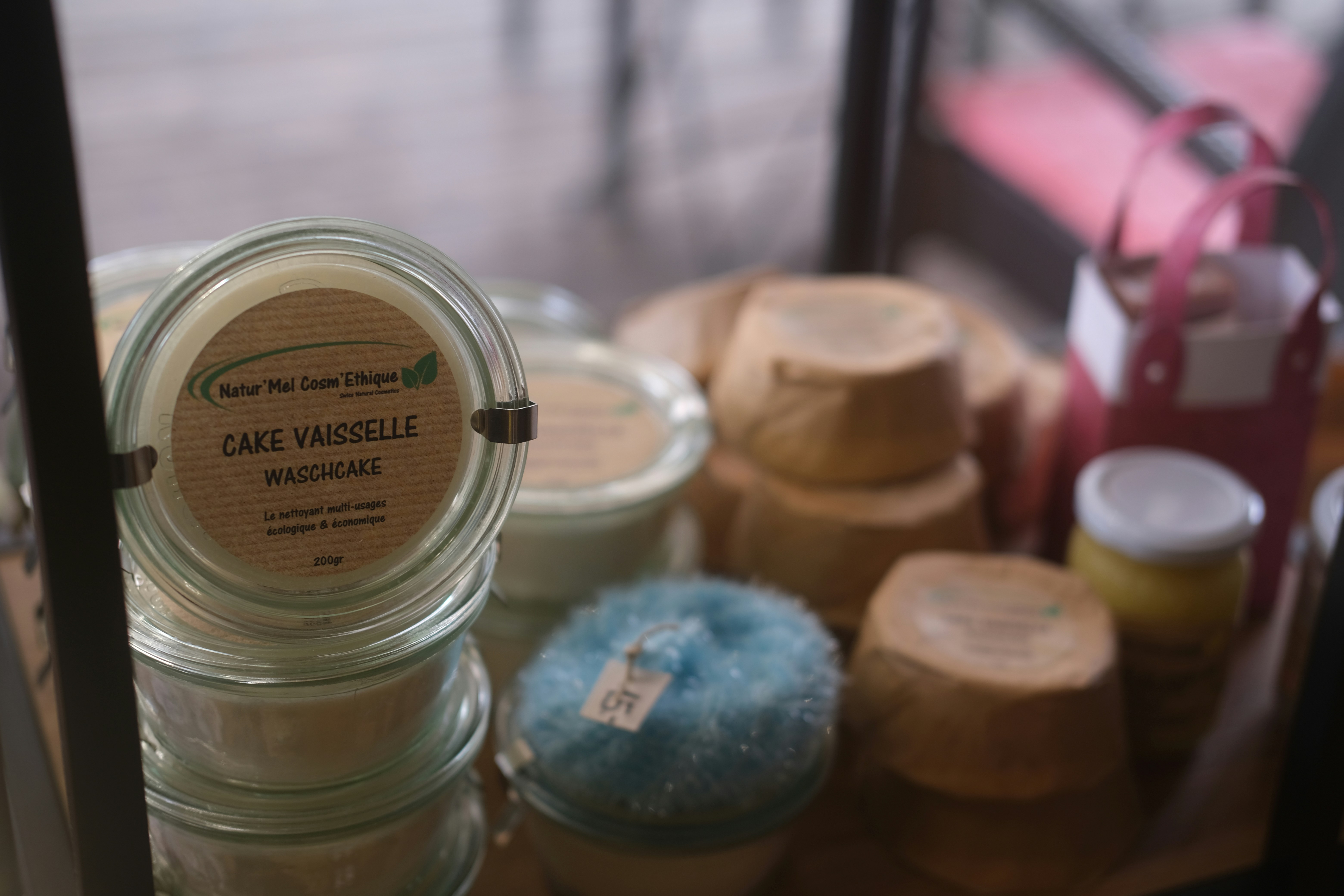
4. All-Purpose Cleaning Solutions: Many brands now offer concentrated cleaning solutions that are eco-friendly and safe for various surfaces. Alternatively, you can create your own cleaning solutions using simple ingredients like vinegar, baking soda, and essential oils. This not only minimizes waste but also significantly cuts down on costs.
5. Glass Storage Containers: Ditch the plastic containers and invest in glass storage options. These are durable, microwave-safe, and can be reused endlessly. They also provide excellent visibility for food items and eliminate harmful plastic leaching into your food. They are often reasonably priced at second-hand shops or when bought in sets.
Each of these products represents a small yet impactful step in achieving a zero-waste lifestyle while remaining budget-conscious. Sourcing them is made easier through a variety of platforms, ensuring that sustainability is within reach for everyone.
Tips for Transitioning to a Zero-Waste Home on a Budget
Transitioning to a zero-waste lifestyle can seem daunting, especially on a budget; however, small, manageable steps can make this shift not only affordable but also attainable. The first step is identifying single-use products in your home. Begin by assessing your daily habits and pinpointing items you frequently discard, such as plastic wrap, disposable cutlery, or paper towels. Gradually phase these out by replacing them with durable, reusable alternatives. For example, consider using beeswax wraps instead of plastic wrap, cloth napkins instead of paper, and glass containers for storing leftovers.
Repurposing common household items is another cost-effective strategy in your zero-waste journey. Old t-shirts, for instance, can be transformed into reusable shopping bags or cleaning rags. Jars and containers that once held food can be utilized for bulk shopping or organizing small items. This not only reduces waste but also saves money by minimizing new purchases.
Shopping smartly is essential for finding affordable zero-waste alternatives. Look for local bulk stores or co-ops that allow you to purchase items without packaging, which often proves to be cheaper than their packaged counterparts. Additionally, check online for significant discounts on eco-friendly products or join community groups to swap or share items with others pursuing a zero-waste lifestyle. Many cities have support groups or workshops that can provide resources and advice, enabling a supportive community during this transition.
Ultimately, remember that the journey towards a zero-waste home can be gradual. Make incremental changes at a pace that feels comfortable to you. These small steps not only lead to significant environmental benefits over time but also contribute to your growth and adaptation to a more sustainable lifestyle.