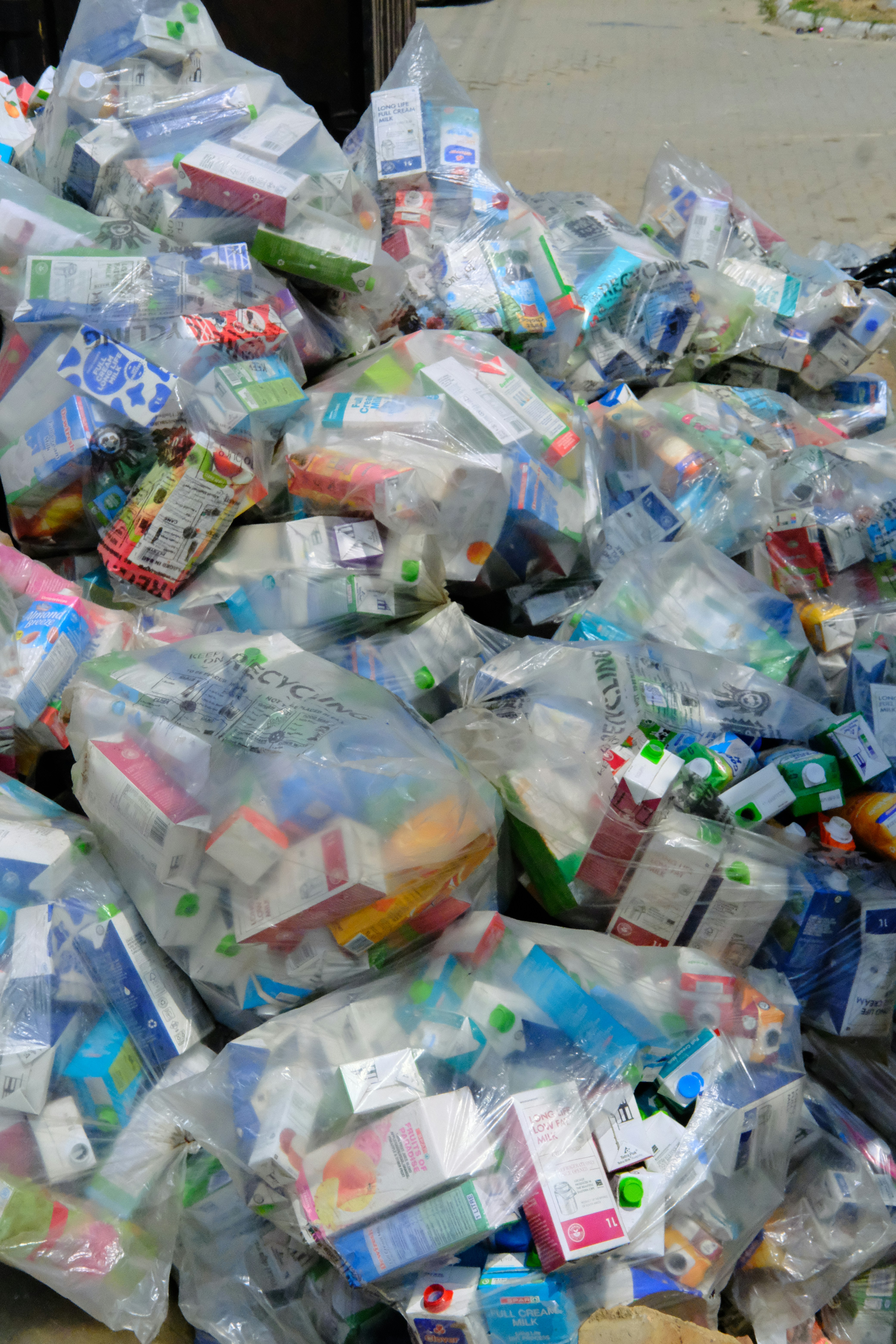
Introduction to Zero Waste Living
Zero waste living is an emerging lifestyle choice that aims to minimize waste and reduce one’s environmental impact through conscious consumerism and sustainable practices. Gaining significant traction over the past few years, this philosophy resonates with individuals who are increasingly aware of environmental issues and the urgent need for climate action. As climate change continues to pose a pressing threat to our planet, zero waste living emerges as a proactive response to mitigating these challenges while promoting a healthier ecological balance.
The foundation of zero waste living is built on the principles of reducing, reusing, and recycling. These principles encourage individuals to evaluate their consumption habits critically and make thoughtful decisions that contribute to a lower carbon footprint. By adopting strategies like composting organic waste, avoiding single-use plastics, and choosing products with minimal or no packaging, one can contribute significantly to waste reduction efforts. Over time, these small changes can culminate in a substantial positive impact on the environment.
Moreover, zero waste living is not merely a trend It is a transformative mindset that fosters a deeper connection with one’s environment. Practicing sustainability allows individuals to take personal responsibility for their actions, which can lead to broader cultural shifts towards environmental stewardship. The journey towards achieving a zero waste lifestyle often starts with manageable changes that gradually integrate into daily routines. By committing to these shifts, one can not only help mitigate waste but also inspire others within their communities to adopt similar practices, fostering a collaborative approach to sustainability.
Ultimately, embracing a zero waste lifestyle empowers individuals to become part of a movement dedicated to preserving the planet for future generations, reinforcing the notion that our choices matter and can drive meaningful change.
Understanding Waste: Types and Impact
Waste can be broadly categorized into several types, each of which poses unique challenges to the environment. Understanding these categories is essential for fostering sustainable living practices in the context of a zero waste home. The main types of waste include organic waste, plastic waste, electronic waste, and hazardous waste. Each type has different implications for pollution and wildlife, thereby highlighting the urgency of waste reduction efforts.
Organic waste primarily consists of biodegradable materials such as food scraps, yard waste, and paper products. When organic materials decompose in landfills, they produce methane, a greenhouse gas that significantly contributes to climate change. Conversely, when properly composted, these materials can enrich soil, thereby reducing the need for chemical fertilizers and promoting healthier ecosystems.
Plastic waste represents a critical challenge in waste management due to its non-biodegradable nature. Plastics can take hundreds of years to decompose, leading to accumulation in landfills and oceans. This pollution not only disrupts marine ecosystems but also poses significant risks to wildlife, which may ingest or become entangled in plastic products. Transitioning towards alternatives such as reusable containers is crucial for mitigating the environmental impact of plastic waste.
Electronic waste, or e-waste, has emerged as a prominent concern in our technology-driven society. Equipment such as smartphones, computers, and televisions may contain hazardous materials like lead and mercury. Improper disposal of e-waste can result in toxic substances leaching into soil and water sources, adversely affecting both human health and the environment. Encouraging recycling and proper disposal methods for electronic devices can meaningfully reduce these impacts.
Hazardous waste encompasses a variety of materials including chemicals, batteries, and medical waste, which require special handling to prevent environmental contamination. Education on the correct disposal methods can help mitigate the risks associated with hazardous waste in households.
Understanding these types of waste and their impacts can empower individuals to make informed decisions regarding their consumption and disposal habits. With increased awareness, transitioning towards a zero waste lifestyle becomes not only attainable but also essential for sustaining our planet for future generations.
Decluttering: The First Step to a Zero Waste Home
Transitioning to a zero waste home begins with the essential act of decluttering. This process not only aids in reducing waste but also fosters a more organized and peaceful living environment. The act of removing unnecessary items can be both liberating and transformative, making it simpler to adopt sustainable practices in daily life.
To effectively declutter, it is helpful to implement strategies such as the ‘one in, one out’ rule. This simple guideline encourages individuals to part with an existing item whenever they acquire something new. By adhering to this principle, one can gradually reduce the accumulation of possessions, thereby minimizing waste and fostering a more mindful approach to consumption.
Seasonal cleaning practices also play a vital role in maintaining a clutter-free space. Allocating time each season to assess and declutter personal belongings ensures that the household remains organized and clutter does not reaccumulate. During this process, items can be categorized based on their frequency of use. This not only identifies unneeded items but also highlights what truly adds value to one’s life.
Furthermore, besides the physical aspects, decluttering offers significant emotional benefits. The process can alleviate stress and anxiety, contributing to overall mental well-being. A tidy space promotes clearer thought patterns and a sense of control, which can be particularly beneficial in a fast-paced world. Individuals often report feeling more peaceful and energized in a less cluttered environment, allowing for a greater focus on sustainability and healthier lifestyle choices.
Ultimately, embracing decluttering as an initial step towards establishing a zero waste home is a vital part of the sustainable living journey. It sets the stage for responsible consumption and an environmentally friendly lifestyle, showcasing the powerful impact of a more minimalistic approach to household items.
The Minimalist Mindset: Simplifying Your Life
The minimalist mindset serves as a powerful complement to the principles of a zero waste home, fostering a lifestyle marked by intentionality and purpose. At its core, minimalism emphasizes reducing excess—both in terms of physical items and mental clutter. By adopting a minimalist approach, individuals can significantly decrease their consumption, leading to less waste and a more sustainable living environment.
Central to minimalism is the idea of intentional purchasing. Instead of acquiring items impulsively, individuals are encouraged to reflect on their true needs and desires. This process includes assessing the life cycle of the products they choose to buy, seeking out high-quality items that will last, and prioritizing second-hand options whenever possible. As a result, consumers will find themselves making more deliberate choices that not only reduce waste but also promote a circular economy.
Furthermore, embracing a minimalist lifestyle encourages a shift toward valuing experiences over material possessions. By letting go of unnecessary physical items, individuals can allocate more time, energy, and financial resources toward activities that enrich their lives, such as travel, dining, or community engagement. This transition highlights the immense satisfaction that can come from shared experiences rather than accumulating goods, reinforcing the essence of sustainable living.
For those looking to adopt a minimalist mindset in their own homes, start by decluttering spaces and removing items that no longer serve a purpose. Evaluate belongings based on their utility and emotional value, aiming to keep only those that align with your values and lifestyle aspirations. Establishing this mindfulness in purchasing habits will not only lead to a reduction in waste but also promote a sense of tranquility and simplicity amidst the chaos of modern life.
Eco-Friendly Home Products: Choosing Wisely
In the pursuit of a zero waste lifestyle, selecting eco-friendly home products is a crucial step toward minimizing environmental impact. The market is replete with options, but not all products are created equal in terms of sustainability. As consumers, it is essential to identify and choose products that align with a zero waste philosophy. This means seeking out brands that prioritize eco-conscious practices and transparency in their supply chains.
One effective way to navigate this landscape is by understanding product labels. Many items come with certifications, such as organic or biodegradable markings, which indicate adherence to certain environmental standards. Look for reputable third-party certifications like Energy Star or Cruelty-Free, which can provide assurance that the product meets stringent criteria. Additionally, it is wise to avoid products with excessive plastic packaging, as these contribute to waste and can be detrimental to the environment.
When choosing home products, prioritize those made from renewable resources. Materials such as bamboo, glass, and metal not only reduce reliance on plastic but also have lower environmental footprints. For instance, opting for reusable glass containers instead of single-use plastic wraps can significantly decrease waste generation. Furthermore, when it comes to cleaning supplies, explore brands that offer refillable options to minimize packaging waste.
Alternatives to common single-use items also play a vital role in reducing waste. For example, consider swapping paper towels for washable cloths or investing in reusable shopping bags instead of accepting plastic bags at stores. These small changes, though seemingly insignificant, contribute to a larger movement toward sustainable living. By making informed choices and prioritizing eco-friendly home products, we can collectively foster a more sustainable future.
Creating a Zero Waste Kitchen
Transforming your kitchen into a zero waste space is a vital step towards sustainable living. A zero waste kitchen significantly reduces the environmental impact of food preparation and consumption, while promoting healthier lifestyle choices. To achieve this, start by incorporating composting into your routine. Composting allows you to recycle organic waste such as vegetable peels and fruit scraps, turning them into nutrient-rich soil for your garden or potted plants. This practice not only minimizes landfill waste but also contributes to a healthier home ecosystem.
Meal planning is another essential component of a zero waste kitchen. By planning your meals in advance, you can significantly reduce food waste. Create a shopping list based on your meal plans to avoid impulse buys, and make sure to use up ingredients before they spoil. This proactive approach ensures you purchase only what you need, thereby lowering the chances of food getting discarded. Incorporating leftover ingredients into new recipes is a great way to maximize resources and minimize waste.
Bulk buying is a fundamental practice for those striving to establish a zero waste kitchen. Purchase grains, legumes, nuts, and spices in bulk to reduce packaging waste. Many grocery stores offer reusable containers for this purpose, which helps eliminate single-use plastics from your shopping habits. Additionally, consider investing in glass jars or reusable silicone bags for food storage. These alternatives not only cut down on plastic usage but also keep your food fresh longer.
Finally, implement strategies to minimize food waste during cooking. Use every part of your food, such as utilizing stems and leaves for stocks and broths. By adopting these sustainable cooking practices, you can cultivate an efficient zero waste kitchen that greatly contributes to a greener planet. Embracing these choices leads to a healthier lifestyle, supports local farmers, and helps protect the environment for future generations.
Bathroom Basics: Reducing Waste in the Most Used Room
The bathroom is an essential space in every home, yet it often generates significant waste through the use of single-use products and excessive packaging. To foster a zero waste bathroom, it is crucial to identify common sources of waste and implement sustainable alternatives that contribute to a more eco-friendly routine.
One of the primary culprits of bathroom waste is the use of plastic bottles for shampoos, conditioners, and body washes. Instead of these conventional products, consider switching to shampoo bars and conditioner bars, which typically come with minimal or no packaging. These solid alternatives not only reduce plastic usage but also often contain fewer harmful chemicals, promoting healthier hair and skin.
In addition to hair care products, personal care routines can be adjusted to minimize waste. For instance, opting for reusable cotton pads instead of disposable ones for makeup removal or facial cleansing helps eliminate unnecessary waste. These reusable pads can be easily washed and are a more sustainable choice in the long term. Furthermore, consider natural toiletries such as bar soaps and dental care products that feature biodegradable packaging.
When it comes to oral hygiene, eco-friendly options are readily available. Toothpaste tablets and bamboo toothbrushes can serve as great alternatives to traditional toothpaste tubes and plastic toothbrushes, thereby significantly reducing plastic pollution. Likewise, selecting organic and biodegradable feminine hygiene products can create a more sustainable bathroom environment.
Taking a closer look at bathroom waste leads to the realization that small changes can contribute to a zero waste lifestyle. By consciously choosing eco-friendly products and limiting packaging, individuals can transform their bathroom into a space that supports sustainable living.
The Role of Gardening in a Zero Waste Home
Gardening serves as a foundational component of a zero waste home, significantly contributing to sustainable living practices. By cultivating a garden, individuals can effectively reduce their reliance on store-bought produce, therefore, minimizing packaging waste. Home gardening not only promotes self-sufficiency but also encourages the consumption of organic fruits and vegetables free from harmful pesticides. This practice supports the overarching goal of a zero waste lifestyle, which emphasizes both sustainability and environmental stewardship.
One of the multifaceted benefits of gardening in a zero waste home is the potential for composting organic waste. Kitchen scraps, such as vegetable peels and fruit cores, can be transformed into nutrient-rich compost for the garden. This process not only diverts waste from landfills but also enriches the soil, leading to healthier plants and enhanced crop yields. By establishing a composting system, homeowners can close the loop on food waste while fostering a productive garden that thrives on recycled materials.
Additionally, growing native plants in gardens aligns seamlessly with the principles of a zero waste lifestyle. Native species are adapted to local climates, requiring less water and maintenance compared to non-native varieties. By incorporating these plants, gardeners can conserve resources and promote local biodiversity. Choosing native plants also means that gardeners can utilize organic approaches to pest management, further reducing the need for chemicals that contribute to environmental degradation.
In summary, gardening stands as a crucial strategy in the pursuit of a zero waste home. By composting organic waste, growing one’s own food, and selecting native plants, individuals can cultivate a sustainable lifestyle that supports both personal well-being and ecological health. Embracing these gardening practices not only fosters resilience but also contributes to a thriving environment that prioritizes sustainability and responsible resource management.
Community Engagement: Bringing Zero Waste to Neighborhoods
Community involvement is essential in the pursuit of a zero waste environment. By uniting individuals around a common goal of sustainability, neighborhoods can drive meaningful change and inspire collective action. One effective strategy to promote zero waste practices is through local initiatives, which encourage residents to actively participate in reducing waste in their immediate surroundings. Forming a neighborhood group focused on sustainability can foster a sense of camaraderie while inspiring innovative waste reduction tactics.
To kickstart community engagement, organizing regular clean-up days is an excellent approach. These events not only help to enhance the appearance of local parks, streets, and waterways but also raise awareness about the impact of waste on the environment. It is essential to involve diverse age groups and backgrounds, making the clean-up a family-friendly activity which can strengthen community ties and educate participants about the importance of waste reduction. Providing eco-friendly supplies, such as reusable bags or gloves, reinforces the zero waste ideology in practical terms.
Collaboration with local businesses can significantly amplify community efforts toward achieving zero waste goals. Businesses can be encouraged to adopt sustainable practices by offering incentives for reducing packaging or implementing waste diversion programs. Additionally, hosting workshops or informational sessions in partnership with local companies can assist in spreading knowledge about sustainability and waste management. These partnerships can enhance community engagement by demonstrating that businesses also care about responsible waste practices.
Collectively, these actions catalyze a movement toward a more sustainable community. When residents come together to promote zero waste efforts, they share resources, ideas, and motivation, making the journey toward sustainability a communal endeavor. Empowering communities to take charge of their waste footprint can lead to lasting change and a shared commitment to protecting the environment.


