Introduction to Reusable Water Bottles
Reusable water bottles have emerged as a popular alternative to single-use plastic bottles, particularly in light of increasing awareness regarding environmental issues and the deleterious effects of plastic waste. These bottles are designed to be used multiple times, significantly reducing the demand for disposable options that contribute to landfill overflow and ocean pollution. Crafted from materials such as stainless steel, glass, or BPA-free plastics, reusable water bottles offer a sustainable choice for individuals seeking to cut down on their ecological footprints.
The rise in the adoption of reusable water bottles aligns with a more extensive movement towards sustainability and eco-friendliness. As society becomes more conscious of its impact on the planet, the demand for products that facilitate reduced waste has surged. Many consumers are now actively seeking solutions that not only hydrate them but also promote environmental responsibility. Reusable water bottles have become symbols of this shift, reflecting a growing preference for items that support sustainable consumption. By choosing these bottles, individuals contribute to a significant reduction in plastic pollution, often motivating others to follow suit.
Moreover, several advocacy groups and environmental organizations are driving initiatives that encourage the use of reusable products. Campaigns highlighting the harmful effects of single-use plastics have prompted a reevaluation of consumption patterns, leading people to consider greener alternatives. Reusable water bottles not only support hydration needs but also stand as an emblem of a conscientious lifestyle. Their increasing popularity is indicative of a broader commitment to sustainability and the pivotal role individuals can play in fostering positive environmental change.
The Environmental Impact of Single-Use Plastics
Single-use plastics have become a significant environmental concern in recent decades, largely due to their pervasive nature and the difficulty of managing their lifecycle. These products, designed for a brief period of use, contribute substantially to global pollution. Estimates indicate that over 300 million tons of plastic are produced annually, with a considerable portion dedicated to single-use items such as water bottles, straws, and food packaging. This staggering figure is problematic given that only a fraction of plastics are recycled effectively; reports suggest that only 9% of all plastic waste ever produced has been recycled, highlighting a troubling trend of resource depletion.
One of the most pressing issues associated with single-use plastics is their impact on marine life and ecosystems. Research indicates that approximately 8 million metric tons of plastic waste enter oceans each year, which translates to the weight of more than 57,000 blue whales. Marine animals, such as turtles, fish, and seabirds, often mistake plastic debris for food, leading to ingestion that can result in injury or death. Microplastics—tiny plastic particles resulting from the breakdown of larger items—have been found in the deepest oceanic trenches and are now present in the food chain, posing risks not just to wildlife but also to human health as these plastics can enter our diets through seafood consumption.
Moreover, the production of single-use plastics often requires extensive energy and resources, contributing to greenhouse gas emissions and climate change. The petroleum-based synthesis of these materials depletes natural resources and generates air and water pollutants throughout the manufacturing process. Given these staggering statistics and the real threats to biodiversity and public health, there exists an urgent need to diminish plastic consumption and seek sustainable alternatives. By transitioning to reusable water bottles and other sustainable practices, individuals can contribute to the broader objective of reducing plastic waste and promoting environmental stewardship.
Benefits of Using Reusable Water Bottles
Reusable water bottles offer a myriad of benefits that extend beyond mere practicality. One of the most compelling advantages is the cost savings associated with their use. Although the initial investment in a high-quality reusable bottle may be higher than purchasing disposable bottled water, the long-term savings are significant. By refilling a durable water bottle instead of buying single-use plastic bottles, an individual can save considerable amounts of money over time. This financial incentive not only benefits the consumer but also contributes to a broader commitment to sustainability.
In addition to financial savings, reusable water bottles also act as a safeguard against potential health risks. Many disposable plastic water bottles contain harmful chemicals, such as bisphenol A (BPA), which can leach into the water. By utilizing a reusable option, individuals can mitigate health concerns associated with chemical exposure. Materials commonly used in reusable bottles, such as stainless steel, glass, or BPA-free plastics, are generally safer alternatives, allowing for clean hydration without compromising health.
Convenience is another key benefit of using reusable water bottles. They are designed for portability, making them easy to carry during travel, workouts, or daily commutes. Most reusable bottles come equipped with features such as spill-proof lids and insulation, which keep beverages cold or hot for extended periods. This level of convenience promotes habitual hydration, encouraging individuals to consistently drink enough water throughout the day.
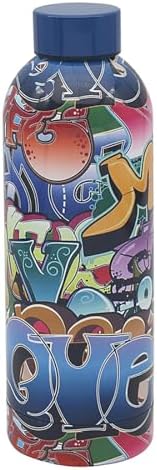
Moreover, reusable water bottles can serve as a stylish accessory that enhances personal branding. With a wide range of designs, colors, and customizable options available, individuals can choose a water bottle that reflects their personality and values. This aspect fosters a sense of identity while promoting eco-friendly practices, making reusable water bottles not only functional but also a statement of sustainability and style.
Choosing the Right Reusable Water Bottle
As the demand for sustainable solutions grows, selecting the right reusable water bottle is essential for maintaining hydration while minimizing environmental impact. Several factors come into play when contemplating your ideal water bottle, including materials, size, insulation capabilities, and design. Each aspect plays a significant role in the overall utility and sustainability of the water bottle.
First, consider the material of the bottle. Stainless steel is a popular choice due to its durability, resistance to corrosion, and ability to keep beverages cold or hot for extended periods. Glass bottles are also a viable option, offering a clean taste and plastic-free alternative, although they may be more fragile. BPA-free plastic is another material option that is lightweight and durable but is generally less environmentally friendly compared to stainless steel or glass.
Next, the size of the reusable water bottle is crucial, as it determines how much liquid it can hold and for how long it can keep you hydrated. Bottles typically range from 500ml to 2 liters. For daily use and portability, a bottle around 1 liter is generally suitable. However, for outdoor activities, you might want to opt for a larger size to ensure you remain hydrated throughout your adventure.
Insulation capabilities are another critical factor in your selection process. Double-walled insulated bottles are ideal for those who wish to enjoy cold drinks in warm weather or hot beverages in cooler climates. These features can enhance your drinking experience, allowing you to savor your beverages at the desired temperature for longer periods.
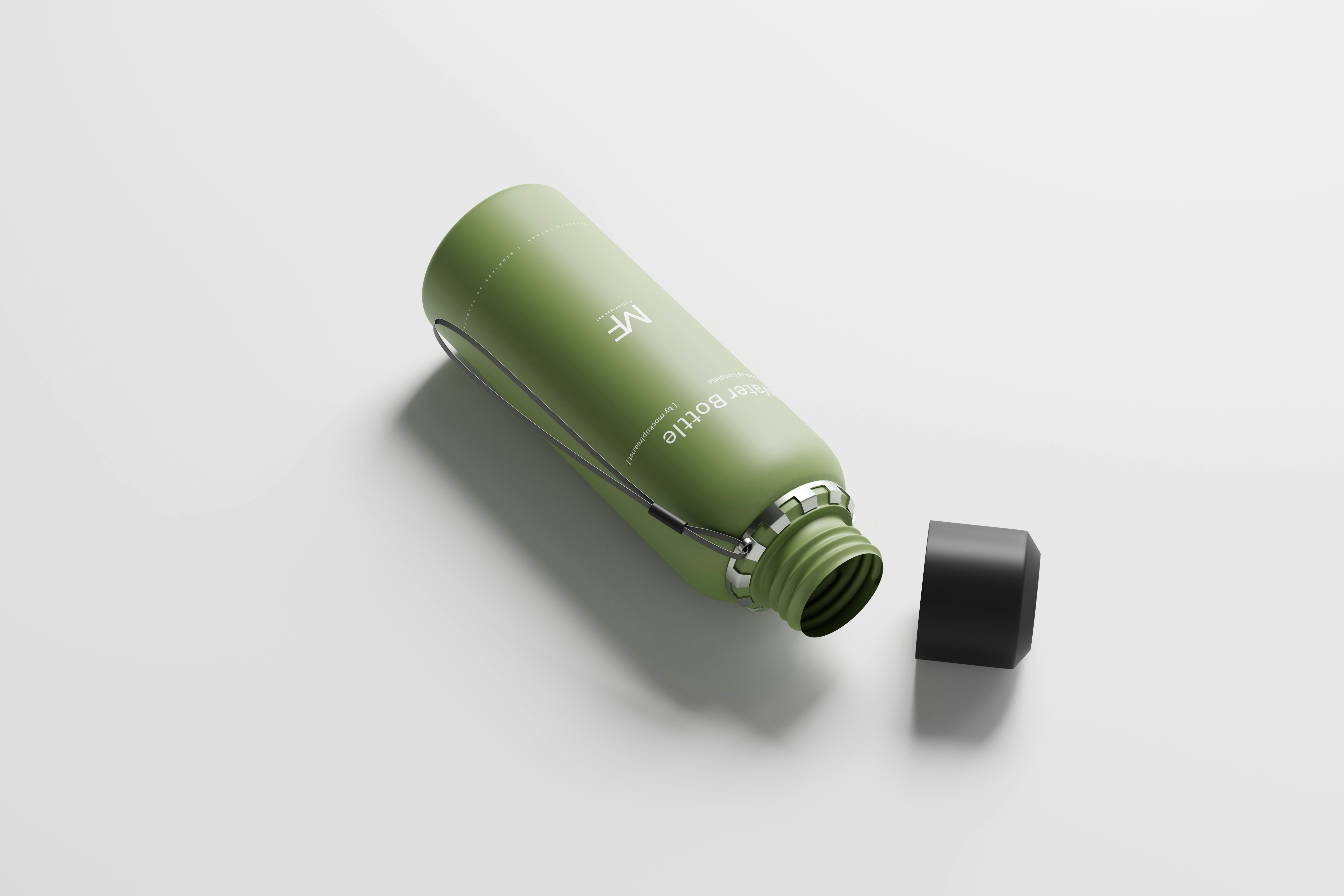
Lastly, the design and additional features of the reusable water bottle can significantly impact its usability. Look for bottles that offer easy-to-clean designs, wide mouths for convenient filling, and carrying options such as loops or straps. Remember to consider personal preferences and lifestyle in your selection process, as a bottle that matches your needs will encourage consistent hydration.
Trends in Eco-Friendly Water Bottles
The market for eco-friendly water bottles has witnessed a significant transformation in recent years, reflecting a growing consumer consciousness about sustainability and environmental impact. Innovative designs are at the forefront of this trend, with brands increasingly prioritizing functionality and aesthetic appeal. Stainless steel, silicone, and recycled materials are commonly used to create durable and sustainable products that resonate with environmentally-minded consumers.
One notable trend is the rising popularity of customizations, where consumers can personalize their reusable water bottles according to their preferences. This encompasses a diverse range of options including color choices, graphics, and even monograms, allowing individuals to express their identity while adhering to eco-friendly practices. Customization not only enhances user engagement but also deepens the emotional connection people have with their reusable water bottles, which in turn promotes regular use and reduces reliance on single-use plastics.
Additionally, many eco-friendly water bottles are now equipped with advanced features that cater to an active lifestyle. Built-in filters for purifying water, insulation to maintain temperature, and collapsible designs for easy transport are some of the functionalities gaining traction. These innovative features appeal particularly to outdoor enthusiasts and urban dwellers seeking convenience in hydration solutions. Moreover, brands are increasingly incorporating indicators that remind users to stay hydrated throughout the day, effectively blending technology with sustainability.
Consumer preferences are evidently shifting towards products that not only serve a practical purpose but also reflect a commitment to environmental stewardship. This trend underscores a broader societal movement towards reducing plastic waste and enhancing the sustainability of daily habits. As we observe these changes, it is clear that the eco-friendly water bottle market continues to evolve in response to consumer expectations and ecological considerations.
Hydration and Health Benefits
Staying adequately hydrated is essential for maintaining overall health and well-being. Water constitutes approximately 60% of the human body, playing a crucial role in regulating body temperature, enabling digestion, and facilitating nutrient transportation. However, there are persistent myths surrounding hydration that can lead to confusion. One common misconception is that we must strictly adhere to the ubiquitous rule of eight 8-ounce glasses of water per day. While this guideline can serve as a general framework, individual hydration needs can vary significantly based on factors such as age, weight, activity level, and climate.
Studies suggest that a more personalized approach is beneficial. The National Academies of Sciences, Engineering, and Medicine recommends an adequate daily fluid intake of about 3.7 liters for men and 2.7 liters for women, which can include water from food sources and other beverages. Reusable water bottles offer a practical solution for achieving these hydration goals. By continually having water readily available, individuals are more likely to maintain adequate fluid intake throughout the day.
Moreover, carrying a reusable water bottle serves as a constant reminder to drink more water. It encourages healthier drinking habits, making it easier to track daily consumption. With various designs available, including insulated models that keep beverages cold for extended periods, users can find bottles that fit their lifestyle and preferences. Using a reusable option not only supports hydration but also reduces reliance on single-use plastics, aligning with sustainable practices. As the awareness of hydration’s role in health grows, so does the popularity of reusable water bottles as a sustainable and beneficial choice for ensuring optimal hydration.
Sustainable Practices Beyond Water Bottles
The movement towards sustainability extends far beyond the adoption of reusable water bottles. It encompasses a variety of practices that collectively contribute to reducing plastic waste and promoting eco-friendly living. One significant step individuals can take is to integrate reusable shopping bags into their daily lives. By opting for these bags rather than single-use plastic ones, consumers can dramatically diminish the amount of plastic that ends up in landfills and oceans. Reusable bags are often more durable, offering a practical solution for carrying groceries and other items while simultaneously making a positive environmental impact.
Another avenue for sustainable living is the use of natural personal care products. Many conventional personal care items come packaged in plastic containers and are composed of synthetic chemicals that can harm both individuals and the environment. By choosing natural products that prioritize sustainability, consumers not only minimize plastic usage but also support brands that align with eco-friendly values. This transition can include everything from shampoo and conditioner to skincare and toothpaste, as many companies now offer refillable options that further reduce waste.
Supporting eco-friendly brands is yet another critical aspect of cultivating a sustainable lifestyle. Recent years have seen a surge in businesses committed to responsible sourcing, sustainable production methods, and ethical labor practices. By investing in these brands, consumers contribute to a broader economy that prioritizes the health of the planet and its inhabitants. This conscious consumerism fosters a market that encourages innovation and commitment to sustainability across various industries.
As individuals increasingly embrace these sustainable choices, they collectively foster a culture of environmental awareness and responsibility. Thus, integrating reusable bags, opting for natural personal care products, and supporting eco-friendly brands are essential components in a larger movement toward sustainability, promoting a healthier planet for future generations.
Real-Life Success Stories
The adoption of reusable water bottles has not only led to significant environmental benefits but has also inspired many individuals and organizations to share their transformative experiences. One noteworthy story comes from a college campus initiative at the University of California, where students launched a “Bring Your Own Bottle” campaign. Over the course of a year, they reported a staggering reduction in single-use plastic through the collective commitment of over 5,000 students who switched to reusable bottles. This initiative not only reduced waste but also fostered a sense of community and responsibility among the students, engaging them in sustainability discussions and practices.
Another compelling example is the case of a small-town gym that introduced an incentive system for members who brought their reusable bottles. This fitness center provided discounts on memberships for participants who opted for sustainable hydration options. Within six months, the gym witnessed an 80% decrease in plastic waste generated from single-use water bottles. This remarkable change not only benefited the environment but also attracted new members who appreciated the gym’s commitment to sustainability.
Furthermore, the Ocean Conservancy organization documented numerous community beach cleanups where volunteers vowed to use reusable bottles during events. These efforts led to tangible results; after just one cleanup, the volunteers collected over 1,000 plastic bottles from local beaches. By sharing the importance of reusable alternatives, the volunteers significantly raised awareness about ocean pollution and inspired others to rethink their hydration choices.
These stories reflect a broader movement towards embracing reusable water bottles, demonstrating that individuals and organizations can make a positive impact on the environment by adopting sustainable practices. As these examples illustrate, personal and communal shifts towards reusable options not only minimize the plastic footprint but also cultivate a culture of sustainability. Each story showcases that, collectively, even small actions can lead to monumental change in our approach to hydration and environmental stewardship.
Conclusion: Making a Positive Change
As we have explored throughout this post, the rise of reusable water bottles represents a significant shift towards more sustainable hydration practices. By opting for reusable bottles instead of single-use plastic alternatives, individuals can make a substantial impact on the environment. This choice not only reduces the staggering amount of plastic waste that pollutes our oceans and landfills, but also conserves valuable resources that are typically consumed in the manufacturing of disposable bottles.
The advantages of switching to reusable water bottles are manifold, extending beyond environmental benefits. Reusable bottles are often designed for durability and practicality, offering a wide range of styles and features to suit individual preferences and lifestyles. Whether one chooses a sleek stainless steel option, an insulated model to keep beverages hot or cold, or a lightweight plastic bottle free from harmful chemicals, the market now provides ample choices for consumers committed to sustainability.
Moreover, making the transition to a reusable water bottle encourages healthier hydration habits. Individuals are more likely to drink sufficient amounts of water when they have access to a convenient and appealing vessel at all times. This simple yet impactful change can lead to enhanced well-being, supporting fitness goals and overall health.
It is essential for each of us to recognize the power of our choices in combating plastic pollution. By adopting reusable solutions, we can collectively contribute to a cleaner planet. Each small change matters; by encouraging friends and family to join in this effort, we can amplify the impact of our actions. Therefore, let us commit to making the switch to reusable water bottles and advocate for a sustainable future, one sip at a time.