Understanding Vegan Skincare
Vegan skincare refers to a category of beauty products that are formulated without any animal-derived ingredients. This means that items such as beeswax, lanolin, collagen, and animal-based oils are strictly avoided in the formulation process. In addition to the absence of these components, vegan skincare is also rooted in a commitment to cruelty-free practices, which ensures that no animal testing is conducted during product development. This ethical approach highlights the growing awareness and responsibility toward animal rights within the beauty industry.
Several key elements contribute to the classification of a product as vegan. Firstly, the sourcing of ingredients is crucial. All components utilized must be derived from plant, mineral, or synthetic sources. Common vegan ingredients include oils from seeds, nuts, and fruits along with botanical extracts that offer nourishing benefits. Secondly, ethical considerations extend beyond sourcing; they encompass environmentally sustainable practices throughout the manufacturing process. This means ensuring fair labor practices and low environmental impact production methods, which are essential for brands committed to vegan values.
Adopting a vegan skincare routine brings notable benefits that resonate with consumers’ growing concerns over animal welfare, environmental issues, and skin health. Products free from animal-derived substances often contain fewer irritating chemicals, making them suitable for a variety of skin types. Furthermore, many vegan brands harness the efficacy of natural ingredients, providing nourishment that can lead to healthier and revitalized skin. By choosing vegan skincare, individuals not only promote a beauty regimen aligned with their ethical values but also contribute toward a larger movement advocating for the welfare of animals and the planet.
Key Ingredients to Look For
When adopting a vegan skincare routine, it is essential to familiarize yourself with the key ingredients that not only provide skin benefits but also align with cruelty-free principles. Key components typically found in vegan skincare products include plant oils, botanical extracts, and naturally derived minerals. These ingredients enhance skin health while promoting environmental sustainability.
Plant oils such as jojoba oil, argan oil, and coconut oil serve as excellent moisturizers, providing nourishment and hydration without the use of animal-derived substances. They are rich in fatty acids and vitamins that help strengthen the skin barrier, improve elasticity, and promote a radiant complexion. Furthermore, they are often sustainably sourced, ensuring a minimal environmental impact during production.
Botanical extracts are another vital aspect of vegan skincare. Ingredients like aloe vera, chamomile, and green tea are known for their soothing and antioxidant properties, which help to calm inflammation and protect the skin from oxidative stress. These naturally sourced extracts provide effective solutions for a range of skin issues, such as acne and premature aging, while enhancing overall skin texture. Additionally, minerals such as zinc and magnesium contribute to skin repair, regulate oil production, and promote a balanced complexion.
While selecting vegan skincare products, it is equally important to be informed about which ingredients to avoid. Common components such as parabens, sulfates, and synthetic fragrances can be harmful to both skin and the environment. Choosing products free from these chemicals not only supports skin health but also ensures a conscientious skincare routine. By being attentive to ingredient lists and prioritizing natural, ethically sourced components, consumers can make informed choices that align with their commitment to veganism and sustainability.
Crafting Your Perfect Vegan Skincare Routine
Creating a personalized vegan skincare routine is essential for maintaining healthy skin that meets your unique needs. This journey begins with understanding your skin type—be it oily, dry, combination, or sensitive. Each skin type requires specific attention, guiding your product choices and application techniques.
The first step in any skincare regimen is cleansing. For oily skin types, opt for a gel-based vegan cleanser that effectively removes excess sebum without stripping moisture. If you have dry skin, a hydrating cream or oil-based cleanser will nourish while cleansing. Combination skin benefits from a balanced foam cleanser. Sensitive skin types should consider gentle, fragrance-free cleansers formulated with soothing ingredients like chamomile or aloe vera.
After cleansing, toning is critical to restore pH balance and prep your skin for the next steps. Look for vegan toners that contain botanical extracts. For oily skin, a toner with witch hazel can help control shine, while dry skin can benefit from hydrating toners rich in hyaluronic acid. Combination skin should seek lightweight, balancing toners, while sensitive types may prefer soothing options that calm irritation.
Moisturizing is pivotal, regardless of skin type. Oily individuals can choose lightweight, gel-based moisturizers, while those with dry skin should opt for nourishing cream-based formulas. For combination skin, a balanced lotion could work best. Sensitive skin requires hypoallergenic and fragrance-free moisturizers, ensuring no irritation occurs.
Targeting specific skin concerns involves incorporating treatments into your routine, such as vegan serums or spot treatments containing plant-based ingredients. As you transition from traditional skincare products, educate yourself on ingredient lists, choosing vegan options that align with your skin’s requirements. This thoughtful approach ultimately fosters a successful and individualized vegan skincare routine.
Sustainable Practices in Vegan Skincare
In recent years, the growth of vegan skincare has been accompanied by a heightened awareness of sustainability within the beauty industry. As consumers become increasingly conscious of their environmental impact, the demand for products that not only avoid animal-derived ingredients but also feature responsible manufacturing practices continues to rise. Choosing brands that prioritize eco-friendly packaging and sustainable sourcing is crucial for those who wish to embrace a vegan skincare routine while minimizing their ecological footprint.
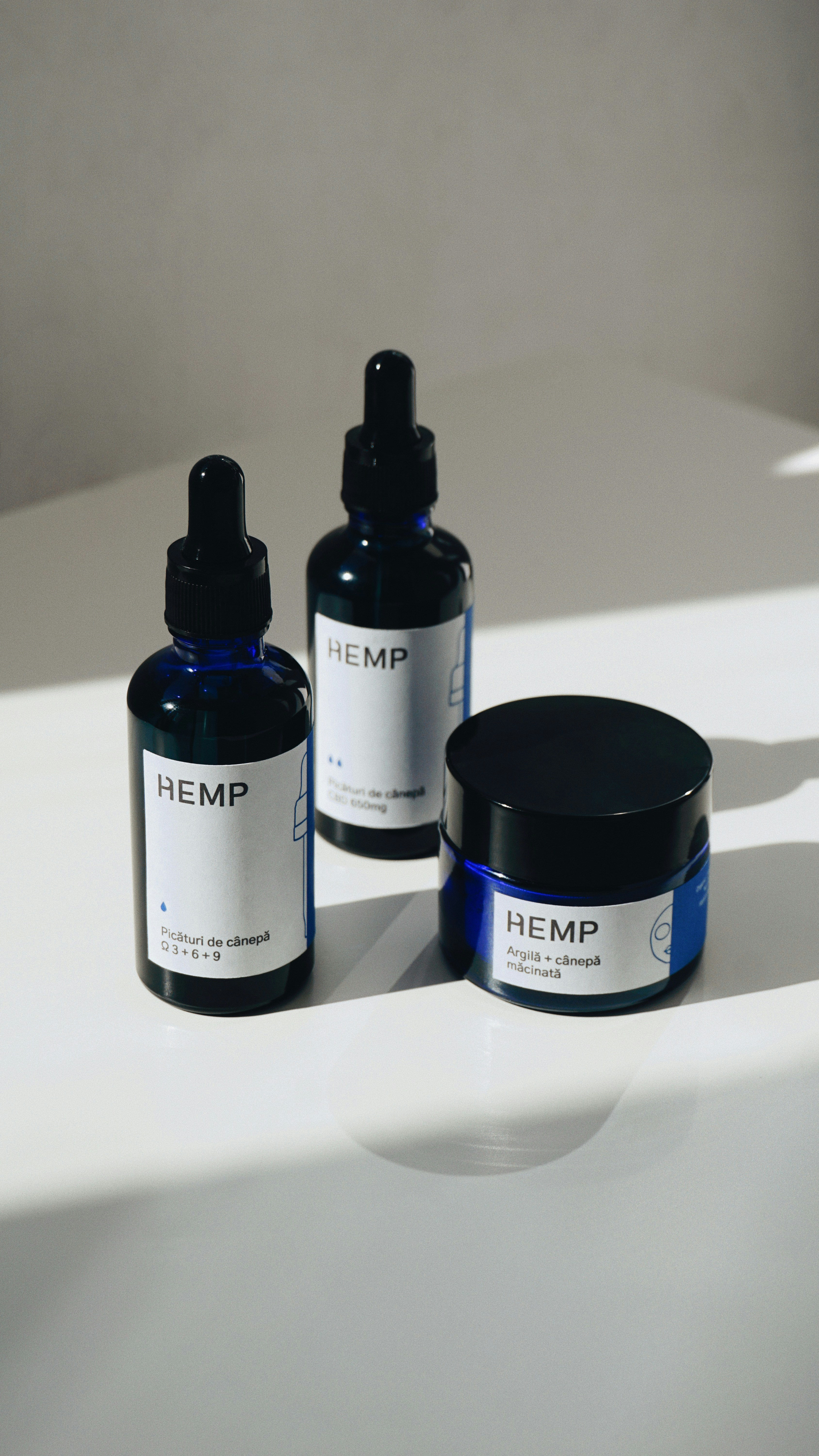
A significant aspect of sustainability in vegan skincare lies in the materials used for packaging. Many brands now offer products in recyclable or biodegradable containers, reducing the amount of plastic that ends up in landfills and oceans. For instance, look for brands that utilize glass or aluminum packaging, as these materials are not only more sustainable but also help preserve the integrity of the skincare formulations. By selecting products in eco-conscious packaging, consumers can help drive the beauty industry towards more sustainable practices.
Sourcing practices also play a pivotal role in the sustainability of vegan skincare. Brands that engage in ethical sourcing ensure that the ingredients are harvested responsibly, often favoring local and organic farms. This not only reduces transportation emissions but also supports local economies and promotes biodiversity. Consumers can research brands that openly communicate their sourcing practices, ensuring they are aligned with their values of sustainability and ethical responsibility.
Moreover, consumer involvement is key to promoting sustainable beauty initiatives. By choosing to purchase from brands that prioritize environmental responsibility, individuals send a clear message to the industry about the importance of sustainable practices. Participating in campaigns or petitions aimed at supporting cruelty-free and sustainable beauty can further amplify this impact. There are numerous forward-thinking brands, such as Lush and Herbivore Botanicals, that incorporate sustainable practices while offering effective vegan skincare solutions.
In conclusion, embracing a vegan skincare routine extends beyond the exclusion of animal products; it encompasses a commitment to sustainability. By making informed choices and advocating for sustainable practices, consumers can contribute positively to both their skin health and the environment.