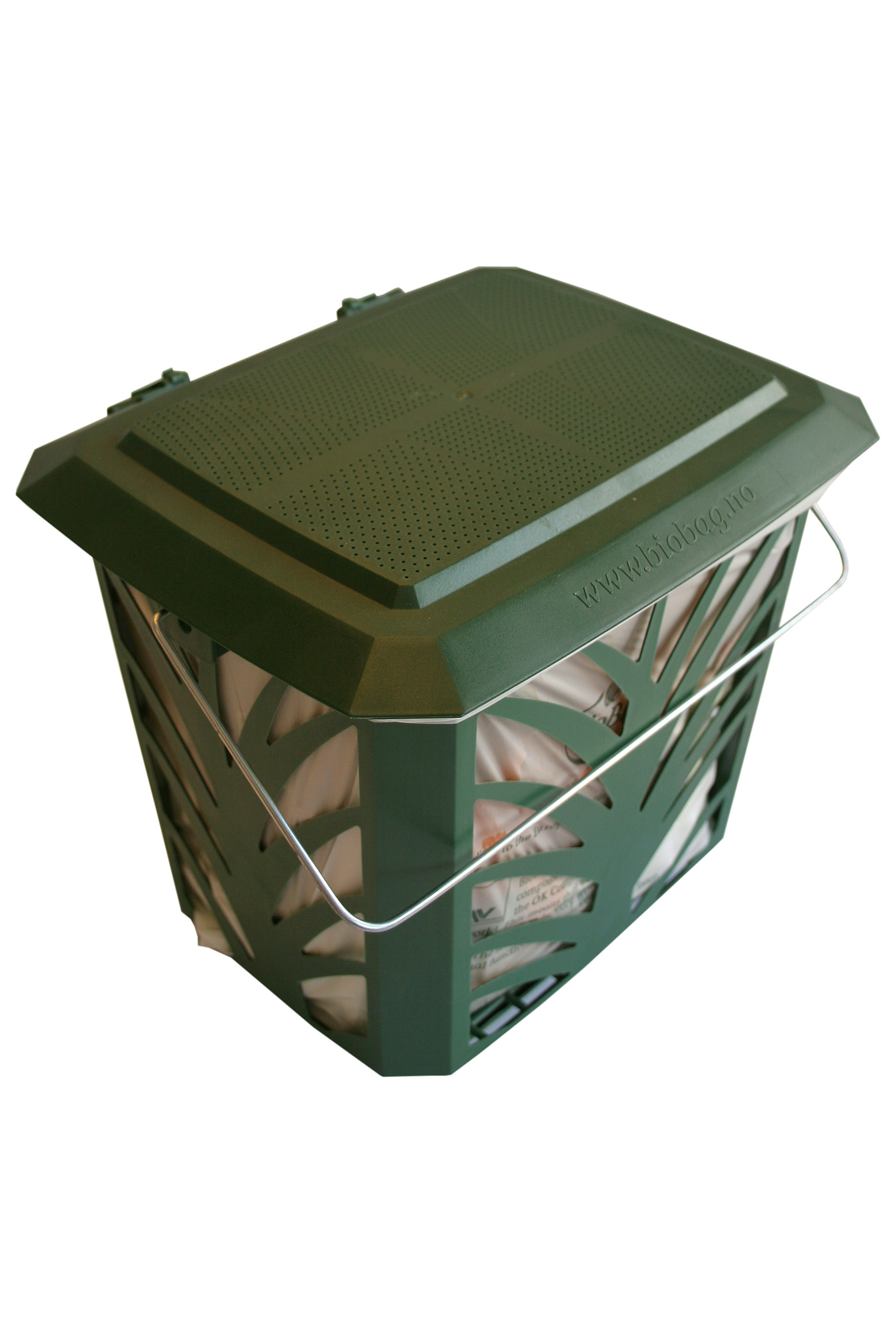
Introduction to Composting
Composting is a natural process that involves the breakdown of organic materials, such as food scraps and yard waste, into a nutrient-rich soil amendment known as compost. This valuable resource not only enhances soil structure and fertility but also helps reduce the amount of waste sent to landfills. As individuals and communities strive for more sustainable living practices, the practice of composting at home has seen a significant rise in popularity. This trend reflects a growing awareness of environmental issues and the importance of managing waste sustainably.
One of the fundamental reasons why composting is crucial is its role in waste reduction. In many regions, organic waste constitutes a substantial portion of municipal solid waste. By diverting this material from landfills, composting mitigates methane emissions—a potent greenhouse gas released as organic matter decomposes anaerobically. Furthermore, composting helps recycle nutrients, returning valuable resources to the soil and reducing the need for chemical fertilizers, which can have detrimental effects on ecosystems.
The benefits of composting extend beyond waste management and nutrient cycling. Composting improves soil health by enhancing its structure, promoting microbial activity, and increasing its water retention capacity. Healthy soil is critical for the growth of plants, contributing to biodiversity, food security, and overall ecosystem resilience. Additionally, home composting fosters a sense of responsibility and connection to the environment, encouraging individuals to adopt other sustainable practices in their daily lives.
The growing trend of composting at home is a testament to the increasing environmental consciousness among the public. Various resources, including compost bins, workshops, and online guides, are now available to aid individuals in their composting journey. As more people embrace this practice, the collective impact on waste reduction and sustainable living continues to grow.
The Benefits of Home Composting
Composting at home has garnered significant attention in recent years, marking a shift towards more sustainable living practices. One of the primary benefits of home composting is the substantial reduction of waste that is sent to landfills. Food scraps, yard waste, and other organic materials constitute a considerable portion of municipal waste. By engaging in backyard composting, homeowners can divert these materials from landfills, effectively reducing the overall volume of waste and contributing to a more sustainable waste management system.
In addition to minimizing landfill contributions, composting has profound implications for soil health. The process of composting transforms organic waste into nutrient-rich compost, which serves as an excellent soil amendment. This enriched compost enhances soil structure, increases moisture retention, and augments the presence of beneficial microorganisms. As a result, gardens flourish with improved fertility, leading to healthier plants and increased yields. By utilizing compost, gardeners can create a self-sustaining ecosystem that nurtures plant life and reduces the need for synthetic fertilizers.
Furthermore, home composting supports enhanced plant growth by providing essential nutrients. Compost is laden with macronutrients such as nitrogen, phosphorus, and potassium, along with a host of micronutrients that plants require for optimal growth. Utilizing compost not only promotes vigorous plant development but also fosters resilience against pests and diseases. Through composting, gardeners can engage in sustainable gardening practices that align with eco-friendly principles.
Ultimately, home composting serves as a multifaceted approach to waste reduction and soil improvement, embodying the principles of sustainable living. By adopting this practice, individuals can contribute to a healthier environment while reaping the benefits of improved gardening outcomes.
Getting Started with Composting
Composting at home is an environmentally friendly practice that transforms organic waste into nutrient-rich compost for gardening and landscaping. To embark on this sustainable journey, the first step is selecting the appropriate compost bin. Compost bins come in various types, including traditional bins, compost tumblers, and worm composters (vermicomposting). Each type has its advantages, so choosing one that aligns with your available space and the volume of kitchen waste is crucial. A well-ventilated bin encourages aeration, speeding up the decomposition process.
Location is another important factor when starting your composting project. Ideally, the compost bin should be situated in a dry, shaded area with good drainage. It should also be easily accessible, allowing for the addition of kitchen scraps and yard waste, as well as for regular mixing and harvesting. Ensuring proper air circulation around the compost will help maintain manageable moisture levels and promote effective decomposition.
Understanding the basics of compost materials is essential for producing high-quality compost. A successful compost pile requires a balanced mix of ‘greens’ (nitrogen-rich materials) and ‘browns’ (carbon-rich materials). Greens include kitchen scraps such as vegetable peels, fruit waste, and coffee grounds. Browns consist of dry leaves, twigs, cardboard, and paper products. Striking the right balance is vital; a good rule of thumb is to aim for a ratio of about three parts browns to one part greens. This balance will facilitate optimal microbial activity, ensuring that the composting process is efficient.
By carefully selecting the right compost bin, choosing an appropriate location, and understanding the essential materials, you can successfully initiate composting at home. Through these steps, you contribute to reducing landfill waste and creating a sustainable environment.
What to Compost: A Comprehensive Guide
Composting at home offers a sustainable way to manage waste while enriching soil. To initiate this eco-friendly process, it is essential to understand what materials are suitable for composting. Generally, compostable materials can be categorized into kitchen scraps, yard waste, and two essential types: green and brown materials.
Kitchen scraps are excellent compost ingredients. These include fruit and vegetable peels, coffee grounds, eggshells, and stale bread. It is advisable to avoid meat, dairy, and oily foods as they can attract pests and create unpleasant odors. Additionally, leftover grains and nuts can be composted, but moderation is key to prevent attracting unwanted animals.
Yard waste is another significant contributor to home composting systems. Grass clippings, leaves, branches, and plant trimmings are rich in nutrients and add volume to the compost pile. These materials can enhance aeration and facilitate decomposition. However, it is best to avoid diseased plants or weeds with seeds to prevent potential contamination in the finished compost.
Compostable materials are further classified into green and brown categories. Green materials, rich in nitrogen, include fresh grass clippings, vegetable scraps, and coffee grounds. They help in the decomposition process by stimulating microbial growth. On the other hand, brown materials provide carbon and comprise items like dried leaves, twigs, and shredded paper. A healthy composting ratio typically involves mixing one part green to three parts brown materials.
While many materials can be composted, certain items should be kept out of the compost bin. Items such as pet waste, processed foods, and glossy paper can complicate the decomposition process or introduce harmful pathogens. By understanding what to compost and what to avoid, homeowners can effectively manage waste while contributing to a sustainable environment.
Maintaining Your Compost Pile
Maintaining a healthy compost pile is crucial for successful composting. An efficient composting process relies on proper aeration, moisture levels, and a balanced mix of organic materials. One of the primary maintenance tasks is turning the compost. This process aerates the pile and accelerates decomposition, ensuring that all materials break down evenly. It is advisable to turn the compost every few weeks, using a pitchfork or shovel to mix the top layers with those at the bottom, exposing less decomposed materials to oxygen and warmth.
Another essential aspect of compost maintenance is monitoring moisture levels. A compost pile should maintain an appropriate level of moisture—ideally, it should feel like a damp sponge. If the compost is too dry, decomposition slows down. In this case, water should be added gradually until the desired moisture level is achieved. Conversely, if the pile is too wet, it may become compacted and anaerobic, leading to unpleasant odors. To remedy this, one can add dry materials, such as shredded leaves or cardboard, to absorb excess moisture. Additionally, increasing aeration through turning the pile can help alleviate dampness.
Common issues can arise during the composting process, such as foul odors, excessive heat, or the presence of pests. Foul odors often indicate an anaerobic environment resulting from a lack of oxygen or an imbalance of green and brown materials. Addressing this involves turning the compost and adjusting the carbon-to-nitrogen ratio by adding more brown materials. Excessive heat may signal an overly compacted pile, which can be remedied by turning it more frequently. Lastly, if pests appear, it is essential to ensure that the compost is covered and that only permitted kitchen scraps are included, as this will deter unwanted visitors. Adhering to these maintenance practices is essential for achieving a healthy, productive compost pile and ultimately a sustainable living approach.
Using Your Finished Compost
Once you have successfully created finished compost, the next step is to incorporate it into your gardening practices effectively. Finished compost is a valuable resource that can significantly improve your garden’s health and sustainability. There are several effective applications for utilizing your homemade compost, each tailored to enhance soil quality and promote plant growth.
One of the primary uses of finished compost is as a soil amendment. By blending compost into the existing soil, you enrich it with essential nutrients, beneficial microorganisms, and organic matter. This not only improves soil structure but also enhances its ability to retain moisture, thus benefiting plant roots. Ideally, you should incorporate compost into the top layer of soil before planting new seeds or transplants, ensuring that the nutrients are readily available to young plants.
Another effective application is using compost as mulch. When spread evenly over the soil surface, compost works as a protective layer that retains moisture, suppresses weed growth, and provides a steady release of nutrients as it breaks down. This technique helps maintain a stable soil temperature, which is crucial for optimal plant growth. It is advisable to apply a layer of compost mulch about two to three inches thick around the base of plants, avoiding direct contact with the stems to protect against rot.
Furthermore, finished compost is an excellent addition to potting mixes for container gardening. Blending compost with potting soil provides plants with a rich nutrient base and improved aeration. It can be used in various containers, from small pots for herbs to larger planters for flowering plants. The incorporation of compost into your gardening practices not only supports plant health but also aligns with sustainable gardening principles, making it a powerful tool for any home gardener.
Composting in Small Spaces
Composting is a remarkable way to manage organic waste and contribute to environmental sustainability, and it can be practiced even in small living spaces such as apartments or homes with limited yards. Various composting methods have been developed to accommodate those with restricted environments while ensuring effective waste decomposition.
One popular option for urban dwellers is vermicomposting, which utilizes earthworms to break down kitchen scraps into nutrient-rich compost. This method is particularly suitable for limited spaces as it can be performed in a bin that fits neatly under the sink or in a closet. By using a worm bin, individuals can compost fruit and vegetable peels, coffee grounds, and small amounts of paper. Additionally, vermicomposting promotes a clean and odorless process, making it ideal for indoor use. Regular maintenance involves feeding the worms and ensuring the bin remains moist but not overly wet, which can be easily managed in a small setting.
Another innovative approach is bokashi composting, a fermentation-based method that also works well in confined spaces. This technique involves layering kitchen waste in a specially designed bin with bokashi bran, which contains beneficial microbes. The anaerobic fermentation process breaks down organic matter in just a couple of weeks. Once the fermentation is complete, the byproduct can be buried in soil or added to traditional compost piles, enriching them with vital nutrients. Bokashi is ideal for composting meats and dairy, which are typically not recommended for other methods.
Both vermicomposting and bokashi composting provide convenient solutions for individuals wanting to embrace sustainable practices without requiring extensive outdoor spaces. By adopting these methods, anyone can actively participate in the composting trend, contributing to a greener planet while managing waste efficiently and sustainably.
Community Composting Initiatives
As society increasingly recognizes the importance of sustainability, community composting initiatives have emerged as a vital part of the movement towards reducing waste and enhancing environmental responsibility. These programs often operate through partnerships between local governments, non-profit organizations, and residents, encouraging community members to engage in composting practices collectively. Such initiatives not only divert organic waste from landfills but also enrich local soil and promote biodiversity in urban settings.
Several successful community composting programs have been implemented across various cities, showcasing strategies that can be tailored to meet the specific needs of each locality. For instance, in Portland, Oregon, the Bureau of Planning and Sustainability provides residents with resources and workshops to establish neighborhood composting sites. Similarly, in San Francisco, the city promotes community compost hubs that serve as drop-off points for organic waste, significantly reducing landfill contributions. These programs illustrate how communities can come together to foster environmentally friendly practices and support one another in achieving sustainable living goals.
Getting involved in community composting initiatives can be an enriching experience for both individuals and neighborhoods. Local residents are encouraged to explore existing programs in their areas or even start their own. Establishing a community composting site typically involves collaborating with local authorities to secure a suitable space, gathering interested participants, and obtaining composting equipment. Aspiring organizers can facilitate workshops and volunteer days to educate others about the benefits of composting and its role in enhancing community sustainability.
Ultimately, community composting initiatives are a practical and effective way for citizens to contribute to environmental efforts while fostering community spirit. By participating in such programs, individuals can work together to create a cleaner, greener environment for current and future generations.
Conclusion: Embracing a Sustainable Lifestyle
As we move towards an increasingly eco-conscious world, composting emerges as a critical element of sustainable living. This practice not only reduces the volume of waste that ends up in landfills but also enriches the soil, thereby promoting healthier plant life. By transforming kitchen scraps and yard waste into compost, individuals can significantly impact environmental sustainability and ecological balance.
Embracing composting at home does not require an extensive overhaul of one’s lifestyle. Instead, it can begin with small, manageable steps that can be integrated into daily routines. For instance, setting up a compost bin in the kitchen can serve as an effective way to collect organic waste. This can include vegetable peelings, fruit scraps, and even coffee grounds. Over time, these tiny contributions accumulate, turning what once was considered trash into valuable compost that nourishes gardens or houseplants.
The benefits of composting extend beyond waste reduction; they foster a greater awareness of our consumption practices. By being mindful of what we discard, we are encouraged to make more sustainable choices, such as purchasing less packaged food and choosing organic options. This shift in perspective is a vital step towards nurturing a more sustainable lifestyle.
Moreover, composting establishes a connection between individuals and the environment. It highlights the life cycle of waste and encourages a sense of responsibility for one’s ecological footprint. By adopting composting practices, not only do we contribute to lowering greenhouse gas emissions, but we also champion the cause for a cleaner, greener planet. This effort aligns with the broader goal of promoting eco-friendly living and sustainable practices in our communities. Thus, taking the initiative to compost at home ultimately supports a vital movement towards lasting environmental stewardship.


