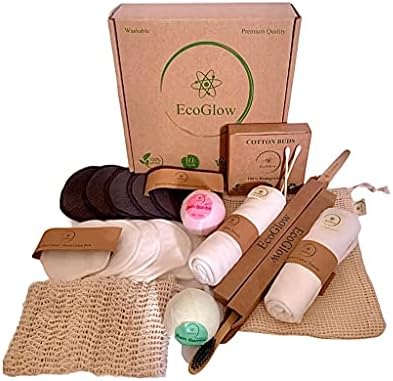
Introduction to Eco-Friendly Products
Eco-friendly products, also known as green products, are items designed to have a minimal impact on the environment throughout their entire lifecycle. These products are typically made from sustainable materials, such as organic cotton, bamboo, and recycled materials, which contribute to reducing resource consumption and waste. In contrast to their conventional counterparts, eco-friendly options prioritize the health of the planet and its inhabitants by avoiding harmful chemicals and practices during production.
The manufacturing processes for eco-friendly products often emphasize low energy consumption and the use of renewable resources. This commitment to sustainability not only lowers the carbon footprint associated with their production but also contributes to a reduction in environmental pollution. By utilizing resources that are easily replenished and avoiding toxic substances, eco-friendly products can help address critical issues such as climate change and resource depletion.
One common misconception about eco-friendly products is that they are less effective than conventional products. However, advancements in technology and science have led to the development of eco-friendly alternatives that match or even surpass the performance of traditional options. For instance, eco-friendly cleaning agents, personal care items, and household goods have been formulated to be just as efficient while maintaining safety for both users and the environment.
Overall, the use of eco-friendly products offers numerous environmental benefits, promoting a healthier planet for future generations. As consumers become more aware of the implications of their purchasing decisions, the demand for these sustainable alternatives continues to grow. Understanding the true effectiveness of eco-friendly products compared to conventional options will empower consumers to make informed choices that align with their values. This blog post will delve deeper into the comparison of these products, illustrating both strengths and weaknesses to provide a comprehensive perspective.
Effectiveness of Eco-Friendly Cleaning Products
Eco-friendly cleaning products have gained significant attention in recent years as consumers become increasingly aware of their impact on health and the environment. These products utilize natural ingredients derived from plant-based materials, minerals, or biodegradable substances, offering a safer alternative to conventional cleaning agents that often contain harsh chemicals. The effectiveness of eco-friendly cleaning agents can be evaluated through their ability to clean surfaces, remove stains, and disinfect areas.
Research indicates that eco-friendly cleaning products can be equally effective as their conventional counterparts when used appropriately. For instance, studies have shown that many eco-friendly formulations contain essential oils, enzymes, and surfactants that contribute to their cleaning efficacy. These ingredients can break down grime and grease, making the cleaning process efficient. Moreover, some eco-friendly products, such as vinegar and baking soda, are time-tested solutions that effectively tackle various household stains, offering commendable performance without synthetic chemicals.
User testimonials often highlight the satisfaction experienced when using eco-friendly cleaning solutions. Many individuals report that these products not only clean well but also leave a pleasant scent, enhancing the overall cleaning experience. Additionally, the non-toxic nature of eco-friendly cleaners ensures that they are safe for children and pets, further boosting their appeal among consumers concerned about household safety.
While eco-friendly cleaning products may not always produce the immediate dramatic results of traditional cleaners—particularly in heavy-duty cleaning scenarios—most studies underscore their effectiveness over regular use. They may rely on different mechanisms of action, which, while slower in achieving visible cleanliness, contribute to long-term health and environmental benefits. As awareness of eco-conscious living grows, the effectiveness of eco-friendly products is increasingly validated, presenting a compelling case for their adoption in households.
Eco-Friendly Alternatives in Personal Care and Household Items
The growing concern for environmental sustainability has led to an increase in the availability and popularity of eco-friendly alternatives in personal care and household items. These products, often made from natural, biodegradable ingredients and materials, present a viable option for consumers who are conscious of their ecological footprint while maintaining a commitment to effectiveness. When evaluating the usability of eco-friendly toiletries, cosmetics, and household supplies, various factors come into play.
In personal care, natural shampoos and conditioners, for instance, are often praised for their gentle formulas, avoiding harsh chemicals found in conventional products. Many users report a noticeable reduction in scalp sensitivity and skin irritation when switching to these eco-friendly alternatives. Similarly, eco-friendly deodorants, typically free from aluminum and synthetic fragrances, deliver pleasant, lasting scents while being less irritating to sensitive skin types. Customer feedback often highlights their efficacy, with many individuals stating that they provide adequate odor protection throughout the day.
Household items such as biodegradable cleaning supplies and organic laundry detergents have also gained traction. Reviews reveal that these green alternatives often match or exceed the cleaning power of conventional options. For example, eco-friendly all-purpose cleaners made from vinegar or citrus extracts are effective in removing stains and grime, and they leave a refreshing scent while eliminating toxic chemical residues. Furthermore, the longevity of eco-friendly products is increasingly noted, debunking the myth that they are less durable. Many customers appreciate the value found in concentrated formulas that require smaller quantities per use.
Expert opinions often emphasize the importance of testing various products to find the most suitable ones for individual needs. Overall, the effectiveness of eco-friendly personal care and household items shows promising results, aligning with growing consumer demand for sustainable living without compromising performance.
Conclusion: Weighing the Benefits and Effectiveness
As we have explored throughout this discussion, the comparison between eco-friendly products and conventional counterparts reveals several important considerations regarding their effectiveness and broader impacts. Eco-friendly products are designed with natural ingredients and processes that minimize environmental harm, yet they may sometimes fall short of the immediate efficacy offered by traditional options. However, the long-term benefits of eco-friendly products can greatly outweigh these initial perceived shortcomings.
The effectiveness of eco-friendly products often rests on their formulation, which, while gentler on the environment, can lead to a different user experience. Many consumers express satisfaction with the outcomes of using eco-friendly products when comparing them to conventional options, particularly in household cleaning and personal care sectors. It is essential to note that while some eco-friendly products may require a different application method or frequency of use, the overall health benefits they provide for both individuals and the ecosystem can be substantial.
Choosing eco-friendly products not only promotes a healthier home environment by limiting exposure to harmful chemicals but also supports sustainable practices that benefit the planet. By opting for products that are responsibly sourced, consumers actively contribute to conservation efforts and demonstrate a commitment to reducing their carbon footprint. Moreover, the demand for these products encourages further innovation and improvement in eco-friendly technologies, making them more effective and accessible over time.
Ultimately, the choice between eco-friendly and conventional products hinges on individual priorities. While some may prioritize immediate effectiveness, the long-term benefits of eco-friendly products, including enhanced health for families and a thriving environment, present a compelling argument for making informed purchasing decisions. Those committed to sustainability will find that supporting effective eco-friendly products is an investment in a healthier future for themselves and the planet.