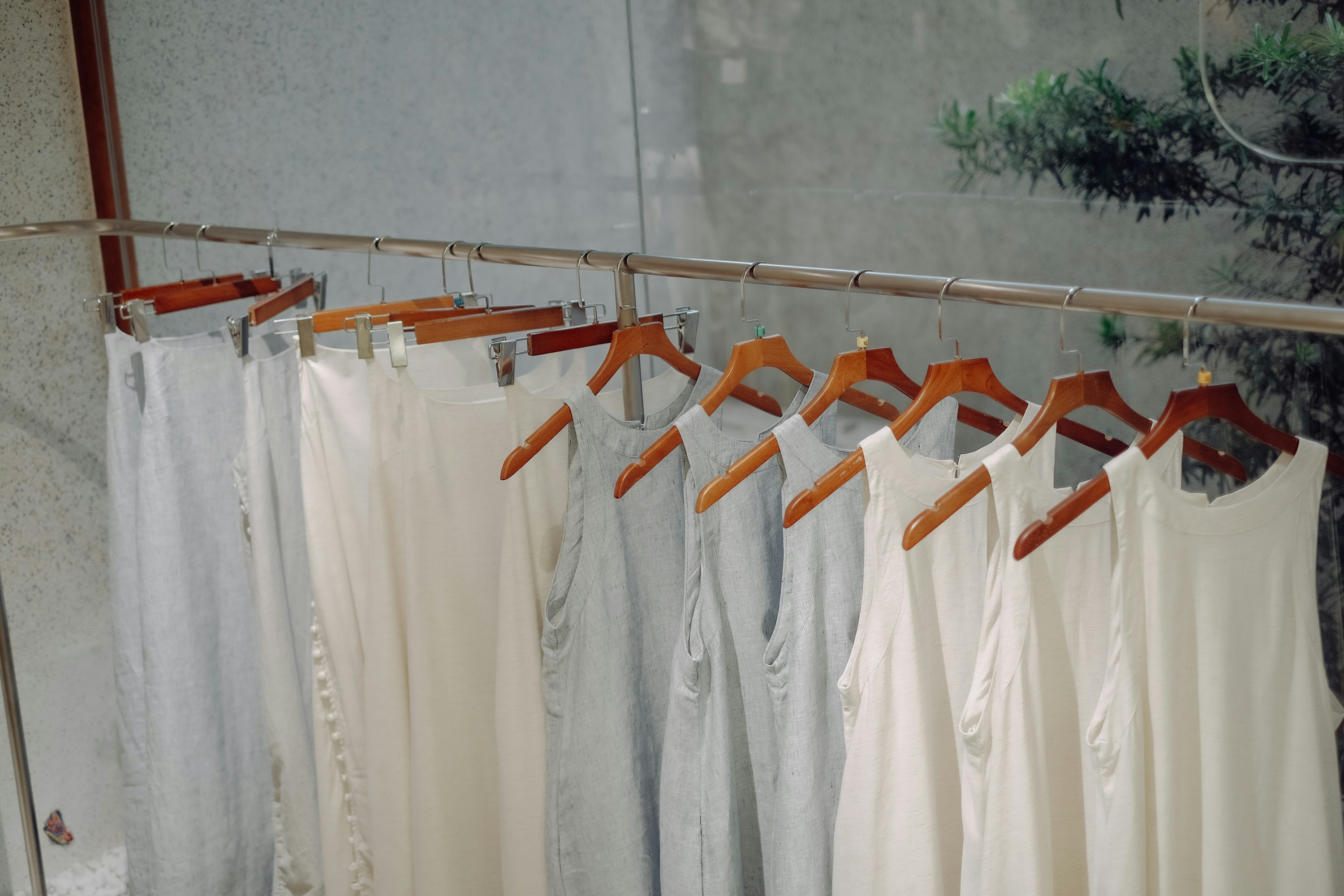
Introduction to Minimalist Wardrobe
A minimalist wardrobe is defined by a deliberate choice to simplify one’s clothing collection, focusing on quality over quantity. This approach encourages individuals to choose versatile, timeless pieces that can be mixed and matched rather than accumulating numerous items that may only be worn once. The minimalist wardrobe philosophy becomes particularly relevant in today’s fast-paced, consumer-driven society where fast fashion leads to excessive waste and environmental degradation. By embracing minimalism, individuals not only streamline their clothing choices but also contribute to a more sustainable fashion industry.
The growing popularity of minimalist wardrobes can be attributed to an increasing awareness of the environmental impact of clothing production and disposal. Many consumers are beginning to recognize the harsh realities of fast fashion, which often includes toxic production processes, exploitative labor practices, and an overwhelming amount of textile waste contributed to landfills. In response, the minimalist approach promotes fewer, high-quality garments that are not only more durable but also tend to reflect an individual’s personal style more accurately.
This lifestyle choice aligns closely with sustainability principles, promoting the idea of investing in fewer items and making conscious purchasing decisions. The adoption of a minimalist wardrobe invites individuals to assess their needs, prioritize functionality, and make thoughtful selections that serve multiple purposes. As a result, this transitional journey not only reduces excess but also encourages a more intentional approach to fashion, allowing individuals to enjoy the benefits of a streamlined closet that enhances clarity, organization, and overall life satisfaction.
Ultimately, the minimalist wardrobe is more than just an aesthetic choice; it represents a deeper commitment to sustainability and responsible consumption in the realm of fashion. By understanding the values behind minimalism and incorporating them into clothing choices, individuals can contribute positively to their lives and the environment.
The Principles of Minimalism
Minimalism is a lifestyle choice that emphasizes simplicity, functionality, and intentionality, guiding individuals to lead a more fulfilling life with less clutter. At its core, minimalism encourages the elimination of excess, advocating for a focused approach to consumption that prioritizes quality over quantity. In the context of fashion, this principle manifests in the creation of a sustainable wardrobe that consists of versatile pieces designed to serve multiple functions while aligning with the wearer’s values.
The first principle, simplicity, underscores the importance of reducing distractions in our lives. By simplifying one’s wardrobe, individuals can streamline their daily routines, making it easier to select outfits without the overwhelming burden of excessive choices. This practice not only saves time but also fosters a greater appreciation for each item within one’s collection, ultimately reinforcing a sustainable fashion mindset.
Functionality is another essential principle that supports the minimalist philosophy. When curating a wardrobe, it is vital to focus on garments that offer practicality and durability. Selecting pieces that can transition across different settings—from casual to formal—ensures that every item has a purpose, minimizing the impulse for impulse purchases. Furthermore, investing in high-quality materials can lead to a more sustainable approach, reducing waste by extending the lifespan of clothing.
Intentionality is the cornerstone of a minimalist lifestyle, encouraging individuals to reflect on their consumption habits. This involves being mindful of what is added to one’s wardrobe and why it is chosen. By asking critical questions regarding each purchase’s necessity and its alignment with personal values, individuals can cultivate a conscious relationship with fashion. This principle not only promotes sustainability but also empowers consumers to make informed choices that resonate with their lifestyles.
Incorporating these principles of minimalism into fashion and broader aspects of life can ultimately lead to a more enriched existence, characterized by clarity, purpose, and sustainability.
Why Choose a Minimalist Wardrobe?
Adopting a minimalist wardrobe can yield several compelling benefits that extend beyond mere aesthetics. One primary advantage is the significant time savings it offers. By curating a smaller selection of clothing items, individuals can streamline their daily routines and reduce the time spent choosing outfits. This simplification enables a more focused approach to daily tasks, allowing individuals to devote their time and energy to endeavors that truly matter to them.
Additionally, a minimalist wardrobe aids in alleviating decision fatigue, a common phenomenon resulting from the overwhelming number of choices available in today’s consumer culture. Fewer clothing options translate to fewer decisions regarding what to wear, which can reduce stress and enhance mental clarity. This clarity often leads to confidence in personal style and a more cohesive wardrobe overall. When every piece of clothing serves a purpose and resonates with one’s personal aesthetic, getting dressed becomes a genuine pleasure rather than a daunting chore.
Moreover, embracing minimalism in fashion aligns harmoniously with sustainable living. By choosing to invest in a smaller number of high-quality, versatile items, consumers can contribute to a reduced environmental impact. A minimalist wardrobe encourages thoughtful consumption, making it easier to opt for sustainable materials and ethical brands. When individuals prioritize quality over quantity, they not only enjoy durable clothing options but also lessen the demand for fast fashion, which is notorious for its adverse effects on the planet. Through embracing minimalist principles, one can foster a wardrobe that reflects personal values while promoting sustainability.
In conclusion, the decision to embrace a minimalist wardrobe is more than a trend; it offers practical benefits that enhance daily life, foster self-expression, and contribute positively to the environment.
Strategies for Building a Minimalist Wardrobe
Building a minimalist wardrobe involves a thoughtful and strategic approach to clothing. The first step is to assess your current collection of clothing items. Take the time to evaluate each piece by asking yourself questions about its wearability, versatility, and condition. Consider factors such as whether you’ve worn the item in the past year, how it fits with your lifestyle, and if it aligns with your personal style. This process will help you identify items that no longer serve a purpose and can be discarded or donated, clearing space for a more purposeful collection.
Prioritizing quality over quantity is crucial in the journey towards a minimalist wardrobe. Invest in fewer, high-quality pieces that are made to last, rather than opting for cheaper, lower-quality items that may quickly wear out. This shift not only enhances sustainability by reducing waste but also elevates your overall style. Look for timeless pieces that can be mixed and matched to create various outfits, allowing for greater versatility without the need for excessive options.
Additionally, examining your personal style preferences plays a vital role in crafting a minimalist wardrobe. Identify your go-to colors, patterns, and silhouettes that make you feel your best. This knowledge will guide you in curating a wardrobe that reflects your authenticity while remaining functional. As you begin this transition, consider adopting a gradual approach to minimize overwhelm. Start with a capsule wardrobe focused on a few foundational items and slowly expand as needed. This process encourages mindful purchases, ultimately solidifying your commitment to a minimalist lifestyle.
Sustainable Fashion Essentials
Sustainable fashion represents a vital shift towards more responsible consumption and production practices in the clothing industry. At its core, sustainable fashion emphasizes the use of eco-friendly materials, ethical production processes, and the importance of supporting brands that prioritize environmental and social responsibility. Understanding these principles is essential for individuals looking to create a minimalist wardrobe that aligns with their values.
One of the fundamental aspects of sustainable fashion is the selection of eco-friendly materials. Fabrics such as organic cotton, Tencel, and hemp are produced with minimal environmental impact. These materials often require fewer resources for cultivation and processing compared to conventional alternatives. For instance, organic cotton is grown without harmful pesticides and synthetic fertilizers, making it a healthier option for both the environment and the consumer. By choosing clothing made from eco-friendly materials, individuals contribute to a reduction in pollution and waste.
Ethical production practices are equally crucial in the realm of sustainable fashion. This entails ensuring fair wages, safe working conditions, and environmentally sound manufacturing processes. Brands that adhere to ethical production standards often source materials responsibly and maintain transparency in their supply chain. By supporting such companies, consumers can reinforce the idea that fashion should not come at the expense of human rights or ecological integrity.
Moreover, when building a sustainable wardrobe, it is important to prioritize quality over quantity. Investing in timeless, versatile pieces can reduce the frequency of clothing purchases, ultimately minimizing textile waste. Emphasizing durability and craftsmanship in clothing choices also prolongs the lifespan of garments, making them a more sustainable option in the long run. In essence, embracing sustainable fashion not only allows individuals to curate a minimalist wardrobe but also supports a broader movement towards environmental consciousness and social equity in the fashion industry.
Wardrobe Organization Techniques
To successfully embrace minimalism in your wardrobe, effective organization techniques are essential. One of the first steps is to engage in a thorough decluttering process. Begin by reviewing every item in your closet and assessing its necessity and relevance to your lifestyle. Ask yourself questions like, “Have I worn this in the past year?” or “Does this item align with my personal style?” By honestly evaluating your clothing, you can efficiently eliminate items that do not serve a purpose, thereby curating a selection of pieces that truly reflect your minimalist philosophy.
Once your wardrobe is decluttered, consider implementing a clothing rotation system. This practice involves organizing your clothes seasonally, allowing you to easily access the items that are most appropriate for the current weather conditions. Store off-season clothing in bins or vacuum-sealed bags, which not only saves space but also maintains the quality of your garments. By rotating your clothing, you can create a sense of freshness in your wardrobe while promoting a sustainable approach to fashion consumption.
An excellent method for maintaining a minimalist wardrobe is developing a capsule wardrobe. This concept revolves around selecting versatile pieces that can be mixed and matched for various occasions. Aim for a limited number of items that easily coordinate with each other, focusing on neutral colors and classic styles. By investing in high-quality, timeless staples, you can simplify daily outfit choices while ensuring that your wardrobe remains functional and stylish. The capsule wardrobe not only reduces decision fatigue but also encourages a mindful approach to purchasing new clothing.
Implementing these wardrobe organization techniques can significantly aid in sustaining a minimalist lifestyle. Each strategy contributes to a systematic approach that fosters clarity and efficiency, ultimately aligning with the core principles of minimalism.
The Role of Capsule Wardrobes
A capsule wardrobe represents a strategic approach to clothing that emphasizes simplicity, versatility, and sustainability. Typically, a capsule wardrobe consists of a small collection of carefully selected garments that can be mixed and matched to create a variety of outfits. This minimalist fashion concept reduces clutter while ensuring that each piece is functional and conducive to a cohesive personal style. By adopting a capsule wardrobe, individuals can streamline their clothing choices, alleviate decision fatigue, and reduce their environmental impact.
Creating a capsule wardrobe begins with identifying essential pieces that align with one’s lifestyle and personal preferences. These foundational items should be timeless and of high quality, as they are intended for prolonged use. Common staples include well-fitting jeans, classic blazers, versatile dresses, and comfortable shoes. Selecting garments that are primarily neutral in color can facilitate easier coordination, allowing for multiple combinations that maintain a cohesive look.
Moreover, incorporating a few accent pieces can enhance the overall versatility of a capsule wardrobe. These items can introduce pops of color or unique patterns without overwhelming the minimalist aesthetic. The key is to choose versatile items that seamlessly integrate into various outfits, enabling the wearer to adapt their appearance for different occasions.
Prioritizing quality over quantity is paramount when curating a capsule wardrobe. Investing in durable materials and craftsmanship not only supports sustainable fashion but also contributes to long-term satisfaction and decreased need for replacements. Ultimately, a well-thought-out capsule wardrobe serves not only as the cornerstone for a minimalist wardrobe but also as a commitment to making conscious choices about one’s attire. This approach to fashion plays a significant role in fostering a sustainable lifestyle, allowing individuals to embrace a more intentional way of dressing.
Navigating Fashion Trends with Minimalism
In the ever-evolving landscape of fashion, the challenge of incorporating trends into a minimalist wardrobe becomes apparent. Minimalism promotes the idea of simplicity, functionality, and sustainability, which often stands in contrast to the rapid pace of fashion trends. The key to navigating this complexity is to approach trend incorporation with a mindful perspective, favoring quality and sustainability over mere novelty.
One effective strategy involves focusing on timeless pieces that echo current trends rather than committing to fleeting fashions. For instance, investing in a versatile neutral-colored blazer can align with various seasonal trends while remaining a staple in your sustainable wardrobe. This approach allows individuals to refresh their look without overwhelming their minimalist philosophy, effectively marrying fashion with sustainability.
In addition, understanding the essence of trends is crucial. It is beneficial to consider how a particular trend resonates with your personal style and the overall aesthetic of your wardrobe. By selecting trends that enhance your existing pieces rather than requiring a complete overhaul, you can maintain the integrity of your minimalist wardrobe. This ensures that each new addition serves a purpose and complements your collection, making it both functional and stylish.
Moreover, being selective about materials is vital in a sustainable wardrobe. Opting for ethically produced, high-quality fabrics when incorporating new trendy items not only reflects a commitment to minimalism but also supports eco-conscious brands. Emphasizing wearability and durability assists in making informed fashion choices that do not compromise the sustainable goals of a minimalist lifestyle.
Ultimately, navigating fashion trends within the framework of minimalism is about intentionality. By remaining focused on your core values, you can make thoughtful decisions that respect the minimalist ethos while adapting to the ever-changing fashion landscape.
Conclusion: The Future of Fashion and Minimalism
As we move forward into an era where environmental concerns continue to mount, the relationship between fashion and minimalism has never been more vital. The fashion industry, notorious for its impact on the environment through fast fashion practices, is beginning to observe a significant shift toward sustainable practices. This changing paradigm invites consumers to reassess their approach to clothing and personal style by embracing a minimalist mindset. By prioritizing quality over quantity, individuals can contribute meaningfully to reducing waste and mitigating the adverse effects that arise from mass production.
Adopting minimalism in fashion encourages us to invest in timeless pieces that are versatile and durable, rather than succumbing to fleeting trends that lead to clothing surplus. The minimalist approach not only promotes a more sustainable wardrobe but also fosters a greater awareness of the consumption cycle. Each purchase becomes a conscious choice, reflecting personal values that prioritize sustainability over the allure of fast fashion. It is essential for consumers to understand that every small action counts and can collectively lead to substantial change within the industry.
Moreover, minimalism supports the idea of ethical consumption, challenging brands and manufacturers to be more transparent about their production processes. With an increasing number of consumers advocating for sustainability, businesses are pushed to adopt more responsible practices. In this context, the future of fashion is intertwined with minimalism as the drive for sustainable solutions continues to grow. By championing a minimalist approach, individuals not only enhance their own lives but also pave the way for a healthier planet.
In conclusion, the journey towards a more sustainable wardrobe through minimalism is not just a personal endeavor, but a collective movement influencing the future of fashion. Embracing this mindset allows us to combat the detrimental effects of fast fashion and empowers us to make mindful choices that respect our planet.


