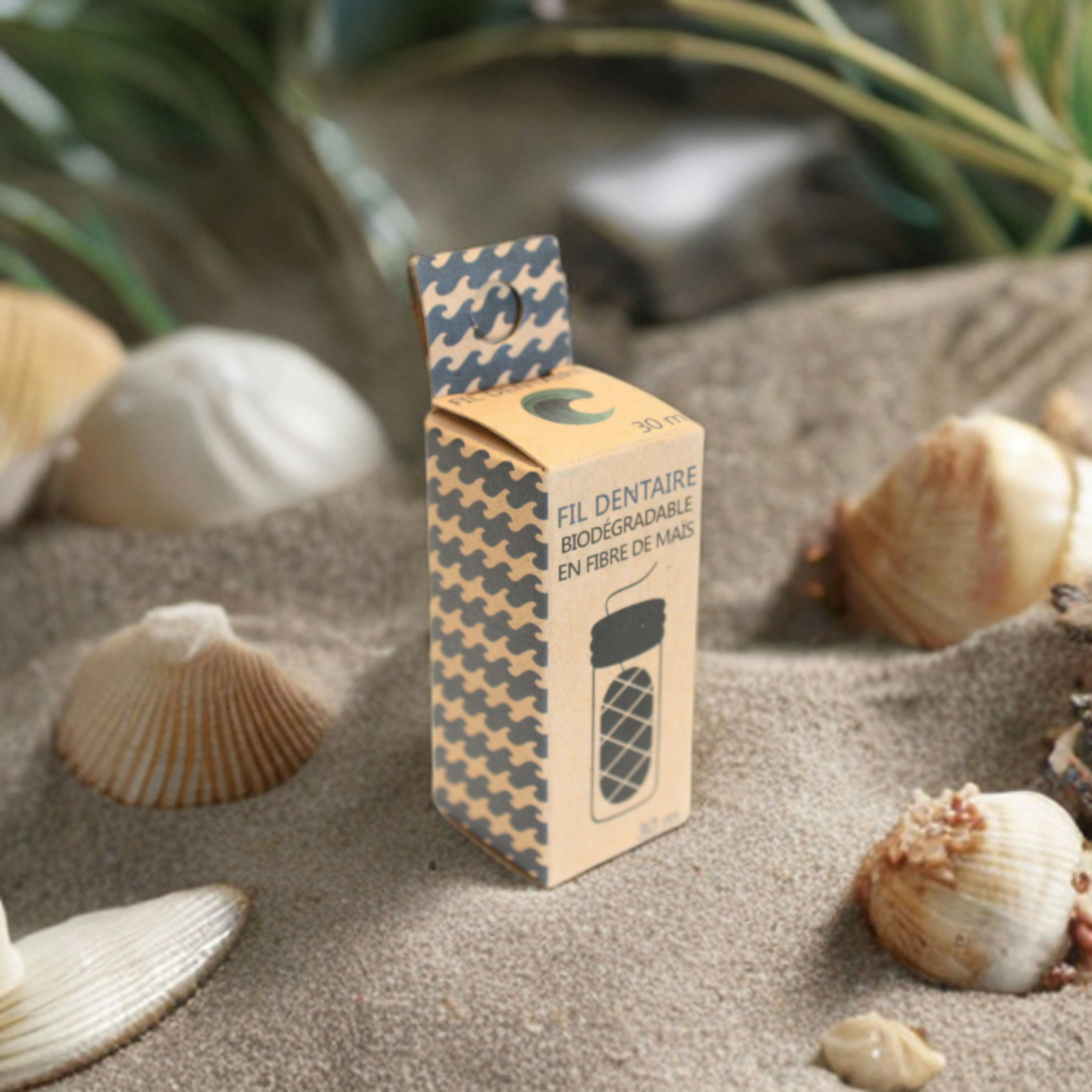
Introduction to Biodegradable Packaging
Biodegradable packaging refers to packaging materials that can be broken down naturally by microorganisms, resulting in minimal environmental impact. These materials decompose into non-toxic byproducts, typically within a specific timeframe, thereby contributing to a more sustainable waste management system. The key characteristics that differentiate biodegradable packaging from traditional materials include the use of organic substances and the reduced duration needed for decomposition. While traditional packaging, such as plastics, can take centuries to degrade, biodegradable options are designed to return to the earth much more quickly, thus enhancing environmental sustainability.
The growing concern over plastic waste has intensified the need for alternatives, prompting businesses and consumers alike to seek more eco-friendly solutions. As the world grapples with the implications of climate change and resource depletion, it is crucial for industries to revolutionize their packaging practices. Adopting biodegradable packaging not only aligns with an eco-conscious philosophy but also fulfills regulatory requirements that increasingly encourage sustainable practices. This shift can positively impact brand reputation and customer loyalty, as consumers actively seek out products that demonstrate environmental responsibility.
Furthermore, biodegradable packaging can be produced using various materials, including cornstarch, sugarcane, and even recycled paper products. This versatility allows for innovative branding opportunities while addressing the demands of an eco-friendly market. As the distinction between biodegradable and non-biodegradable materials becomes clearer, making informed choices can significantly help in reducing pollution and conserving resources. The transition toward biodegradable packaging represents a pivotal moment in rethinking how we package and consume goods, paving the way for sustainable practices that can diminish our ecological footprint.
Benefits of Biodegradable Packaging
The use of biodegradable packaging presents several notable advantages that align with current sustainability efforts and environmental goals. Primarily, biodegradable packaging significantly reduces landfill contributions. Unlike traditional plastic, which can take centuries to decompose, biodegradable alternatives break down into natural substances within a short period when exposed to the right conditions. This decomposition process helps to minimize waste accumulation and prolongs the lifespan of landfills, creating a more efficient waste disposal system.
Moreover, biodegradable packaging plays a crucial role in mitigating plastic pollution. With the alarming increase in plastic waste in oceans and other ecosystems, the adoption of biodegradable materials can substantially decrease the volume of non-biodegradable products in circulation. As these materials dissolve naturally, they lessen the likelihood of harming wildlife and contribute to the overall health of our planet. In this regard, businesses adopting biodegradable packaging not only comply with environmental regulations but also contribute positively to ecological conservation.
In addition to ecological benefits, the use of biodegradable packaging can also lower businesses’ carbon footprints. The production process for these sustainable options typically involves fewer greenhouse gas emissions compared to conventional materials, particularly when derived from renewable resources. This reduction in carbon impact can enhance corporate sustainability profiles, making businesses more attractive to environmentally-conscious consumers.
Lastly, companies embracing biodegradable packaging often gain consumer trust and loyalty. As more customers prioritize environmental responsibility in their purchasing decisions, offering sustainable packaging can differentiate businesses from competitors, fostering a positive brand image. In an increasingly eco-aware marketplace, the commitment to sustainable practices can lead to increased customer satisfaction and retention over time.
Types of Biodegradable Packaging Materials
Biodegradable packaging materials present a significant opportunity to reduce environmental impact and transition towards more sustainable practices. The main categories of biodegradable packaging encompass plant-based plastics, compostable materials, and paper products, each offering distinct advantages and applications.
Plant-based plastics, derived from renewable resources such as corn starch or sugarcane, are a key player in the biodegradable packaging sector. These materials can mimic traditional petroleum-based plastics in functionality while offering an eco-friendly lifecycle. For instance, polylactic acid (PLA) is a popular choice; it is often used in food containers and drinking cups. PLA biodegrades in industrial composting conditions, breaking down into natural components, thus minimizing long-term waste.
Compostable materials are specifically designed to break down in composting environments. Such materials typically meet stringent standards like ASTM D6400, ensuring they decompose within a specified timeframe into compost that can benefit soil. Examples include bagasse—a byproduct of sugarcane processing—used for producing disposable plates and clamshells. These products not only serve their packaging purpose but also contribute to organic waste reduction, making them a viable option for restaurants and takeout services.
Paper products continue to be a staple of biodegradable packaging solutions due to their widespread availability and positive environmental reputation. Kraft paper, for example, is unbleached and recyclable, often found in grocery bags and packaging materials. Additionally, paper-based packaging can incorporate biodegradable coatings and inks, further enhancing their environmental credentials. The versatility of paper makes it suitable for various applications, from wrapping materials to boxes for e-commerce shipments.
Each of these biodegradable packaging types exemplifies distinct features and applications vital for businesses seeking sustainable alternatives. The choice among them depends on specific needs such as functionality, environmental impact, and end-of-life considerations.
The Process of Biodegradation
Biodegradation is a natural process wherein organic substances are broken down by microorganisms, such as bacteria and fungi, into simpler compounds. This phenomenon is critical in the context of biodegradable packaging, as it determines how effectively these products will return to the ecosystem without leaving harmful residues. Biodegradable materials include plant-based plastics, paper, and other organic fibers that are capable of undergoing this natural breakdown process.
For effective biodegradation to occur, specific environmental conditions must be met. Factors such as moisture, temperature, and the presence of oxygen significantly influence the rate at which biodegradable materials decompose. Ideally, a warm and moist environment accelerates the degradation process, allowing microorganisms to thrive and work more efficiently. In an industrial composting setting, these conditions are often optimized to enhance biodegradation. Industrial composting facilities provide controlled environments where heat-generating microbes can quickly break down organic materials, generally resulting in complete decomposition within a few months.
Contrastingly, home composting systems typically operate under less controlled conditions, which can lead to slower decomposition rates. For instance, backyard composting relies on a wider range of environmental factors, including weather and microbial diversity, meaning it may take a year or longer for certain biodegradable materials to decompose fully. Additionally, the type of organic waste suitable for home composting varies, and certain items may require more specific conditions for effective biodegradation.
Understanding these differences is essential for both consumers and manufacturers aiming to make informed choices regarding biodegradable packaging. By recognizing the inherent benefits of industrial composting and the conditions necessary for home composting, stakeholders can better contribute to sustainable practices that promote environmental preservation and waste reduction.
Comparison with Conventional Packaging
In the ongoing discourse about sustainable practices, biodegradable packaging has gained notable attention as an alternative to traditional packaging materials, such as plastic and Styrofoam. These conventional options have long been criticized for their detrimental environmental impact, which includes contributing to pollution and long-term waste in landfills and oceans. In contrast, biodegradable packaging is designed to decompose naturally, thereby reducing the burden on waste management systems and minimizing environmental damage.
When comparing costs, traditional materials like plastic remain significantly cheaper in terms of production and procurement. However, the burgeoning market for biodegradable options is fostering advancements that are gradually lowering production costs, enabling broader adoption. While initially, biodegradable packaging may pose a higher expense than conventional options, the long-term benefits, such as reduced environmental cleanup costs and a lower carbon footprint, can offset these initial investments.
Functionality is another crucial factor in evaluating packaging choices. Conventional materials usually excel in durability and moisture resistance, making them suitable for various products. However, many biodegradable alternatives have made significant strides in functionality, offering comparable performance without sacrificing environmental integrity. Through innovative technology and materials, biodegradable packaging is becoming increasingly versatile, addressing the needs of both consumers and businesses.
Consumer perception plays a critical role in the shift towards biodegradable packaging. Increasingly, consumers are becoming conscious of their environmental footprint and are actively seeking out products and packaging that align with their values. As a result, brands adopting biodegradable alternatives are often viewed more favorably, enhancing their marketability.
Overall, the analysis of environmental impact, cost, functionality, and consumer sentiment suggests that biodegradable packaging holds significant potential as a sustainable alternative to traditional materials.
Case Studies of Successful Uses of Biodegradable Packaging
Numerous businesses across various sectors have adopted biodegradable packaging as part of their sustainability initiatives, demonstrating significant successes that highlight its benefits. For example, a well-known organic snack brand replaced its conventional plastic wrappers with biodegradable options made from plant-based materials. This strategic change not only reduced their environmental footprint but also resonated positively with their eco-conscious customer base, leading to a 25% increase in sales within the first year of implementation. Customers appreciated the brand’s commitment to sustainability, often citing this aspect in their purchasing decisions.
Another compelling case involves a prominent cosmetic company that transitioned to biodegradable packaging for its product line. The firm implemented biodegradable containers and labels that decompose naturally, aligning its products with the increasing consumer demand for eco-friendly solutions. Post-implementation surveys indicated an improvement in customer satisfaction levels, with consumers expressing their admiration for the brand’s initiatives. This change bolstered their brand image as a leader in sustainability within the competitive beauty market.
Moreover, a local restaurant enhanced its takeout services by utilizing biodegradable food packaging derived from natural materials. This decision not only contributed to waste reduction but also attracted a loyal customer segment eager to support businesses that actively combat environmental issues. Feedback from patrons highlighted that they were more likely to choose this establishment due to its responsible packaging choices, reinforcing the idea that environmentally friendly practices can drive customer loyalty and encourage repeat business.
These case studies serve to illustrate that the implementation of biodegradable packaging can have a transformative effect on a company’s brand. Such initiatives not only enhance the overall sustainability of the business but also foster positive consumer relationships. As more organizations recognize the potential benefits, the trend of integrating biodegradable packaging is expected to grow, ultimately contributing to a more sustainable future.
Challenges in Adopting Biodegradable Packaging
The transition to biodegradable packaging presents a variety of challenges for businesses. One of the most significant hurdles is the cost implications associated with switching from traditional packaging materials to biodegradable alternatives. Generally, biodegradable options can be more expensive to produce and source, which can deter companies from making a shift, especially small to medium-sized enterprises that may have tighter budgets. The initial investment required to adopt sustainable packaging can pose a considerable risk, particularly in a competitive market where profit margins are already narrow.
Another challenge lies in the availability of biodegradable materials. While there has been a noticeable increase in the production of sustainable packaging options, many businesses still encounter difficulties in sourcing high-quality biodegradable materials that meet their specific needs. This scarcity can lead to reliance on suppliers who may not provide consistent product availability, potentially disrupting production timelines. Additionally, the infrastructure for recycling and composting biodegradable materials is not uniformly established, which adds another layer of complexity when working to ensure these materials can be properly disposed of at the end of their life cycle.
Consumer awareness and education also play crucial roles in the adoption of biodegradable packaging. Many consumers remain largely uninformed about the environmental benefits of choosing biodegradable products. Without a clear understanding of why these choices matter, consumers may hesitate to support businesses that prioritize sustainable packaging practices. Therefore, effective communication strategies are essential for educating the public about the advantages of biodegradable packaging, which can increase demand and encourage more businesses to consider making the transition. Companies can employ marketing campaigns, including social media outreach and informative labeling, to enhance consumer understanding
To address these challenges, businesses might explore collaborations with suppliers to negotiate better pricing and ensure a steady supply of biodegradable materials. Furthermore, creating partnerships with educational organizations can help raise awareness among consumers, ultimately driving a collective move towards more sustainable practices.
Future Trends in Biodegradable Packaging
The landscape of biodegradable packaging is undergoing a significant transformation, driven by advancements in material science, innovations in design, and evolving consumer preferences. As environmental concerns continue to mount, packaging solutions that minimize ecological footprints are becoming increasingly sought after. One of the key trends is the development of new biodegradable materials derived from renewable sources. Innovations such as bioplastics, which can be created from plant-based biomass, are expected to gain traction. These materials not only offer improved functionality but also present a more sustainable alternative to traditional plastic packaging.
Moreover, the packaging industry is witnessing a shift towards circular economy models. This concept emphasizes not only the biodegradability of packaging but also designs that facilitate reuse and recycling. Companies are exploring closed-loop systems, where materials are continually repurposed, thus extending their lifecycle. Such initiatives reflect a growing commitment among businesses to reduce waste and promote sustainable practices. Emerging technologies, such as digital printing and smart packaging, are also playing a crucial role by offering customizable solutions that can cater to diverse consumer needs while focusing on sustainability.
Furthermore, consumer awareness regarding environmental issues is shaping market dynamics. Consumers are increasingly demanding transparency in product sourcing and packaging materials. This trend is compelling brands to communicate their sustainability efforts more effectively and consider eco-friendly packaging as a core component of their brand identity. As awareness rises, it is predicted that biodegradable packaging will transition from a niche market to a mainstream practice, leading to more innovations and competitive pricing. With governments and organizations pushing for stricter regulations on plastic usage, the future of biodegradable packaging seems promising, paving the way for a more sustainable and responsible approach to packaging in various industries.
Conclusion: Making the Switch to Biodegradable Packaging
In recent years, the conversation around packaging has shifted significantly, with increasing awareness of environmental issues driving the demand for sustainable solutions. Biodegradable packaging emerges as a crucial component in addressing these pressing challenges. By opting for materials that decompose naturally, businesses and consumers alike can significantly reduce their environmental footprint, aligning their purchasing choices with a sustainable ethos.
Throughout this discussion, we have explored various types of biodegradable packaging, including plant-based options and compostable materials, which offer an effective alternative to traditional plastics. The benefits of transitioning to such solutions extend beyond individual choices; they collectively contribute to a larger movement towards sustainability, highlighting a necessary change in production processes and consumption patterns. Furthermore, the viable options available today underscore the feasibility of adopting biodegradable materials across various industries.
It is essential for stakeholders in the supply chain, from manufacturers to consumers, to rethink their packaging strategies. By prioritizing biodegradable alternatives in their purchasing decisions, individuals can advocate for environmental stewardship and influence market trends. The long-term benefits of embracing biodegradable packaging are numerous: reduced pollution, conservation of resources, and enhanced brand reputation for those who lead the charge in sustainable practices.
As we consider the future, the switch to biodegradable packaging is not merely an option but a responsibility. Encouragingly, as more companies recognize the importance of environmental responsibility, the availability and accessibility of biodegradable options are likely to expand. By choosing biodegradable packaging, we invest in a healthier planet and foster an eco-conscious culture that can inspire future generations. Making this change today can lead to a significant impact tomorrow, creating a sustainable legacy through proactive decision-making in our consumption practices.


