Understanding Zero Waste Philosophy
The zero waste philosophy is a holistic approach aimed at eliminating waste through the sustainable management of resources. At its core, this concept advocates for reducing waste generation, reusing materials, and enhancing recycling processes. In the context of kitchen practices, adopting a zero waste mindset not only transforms daily routines but also contributes significantly to environmental preservation. Traditional kitchen habits often lead to excessive waste accumulation, including food scraps, packaging materials, and single-use items, all of which adversely impact our planet.
One of the fundamental principles of zero waste philosophy is the emphasis on minimizing waste at its source. This involves making conscious choices, such as selecting bulk products to reduce packaging waste or planning meals proactively to prevent food items from spoiling. By learning to prioritize products with minimal or biodegradable packaging, individuals can actively partake in a cycle that supports both their lifestyle and the environment. Furthermore, reusing materials—such as repurposing jars, containers, and scraps—plays a critical role in extending the lifecycle of household items while fostering creativity within the kitchen.
Equally important is the aspect of recycling. However, effective recycling transcends merely placing materials in the recycling bin; it necessitates understanding which materials can be recycled and how they should be prepared. By committing to informed recycling, individuals can significantly reduce their overall waste footprint. The implications of embracing the zero waste philosophy extend beyond personal consumption; this mindset encourages collective action and awareness, ultimately nurturing a culture of sustainability.
Thus, it is essential to rethink cooking and purchasing habits. By adopting the zero waste principles, individuals can contribute to a cleaner, healthier planet, aligning their kitchen practices with sustainable living. This shift not only benefits the environment but also encourages a more mindful and intentional approach to daily life.
Must-Have Zero Waste Kitchen Products
Creating a zero waste kitchen involves selecting products that prioritize sustainability while enhancing functionality in your cooking routine. One of the essential items is glass storage containers. These durable and non-toxic alternatives to plastic are perfect for storing leftovers, meal prep, and organizing pantry items. Their longevity and reusability significantly reduce waste, making them a staple in every eco-conscious kitchen.
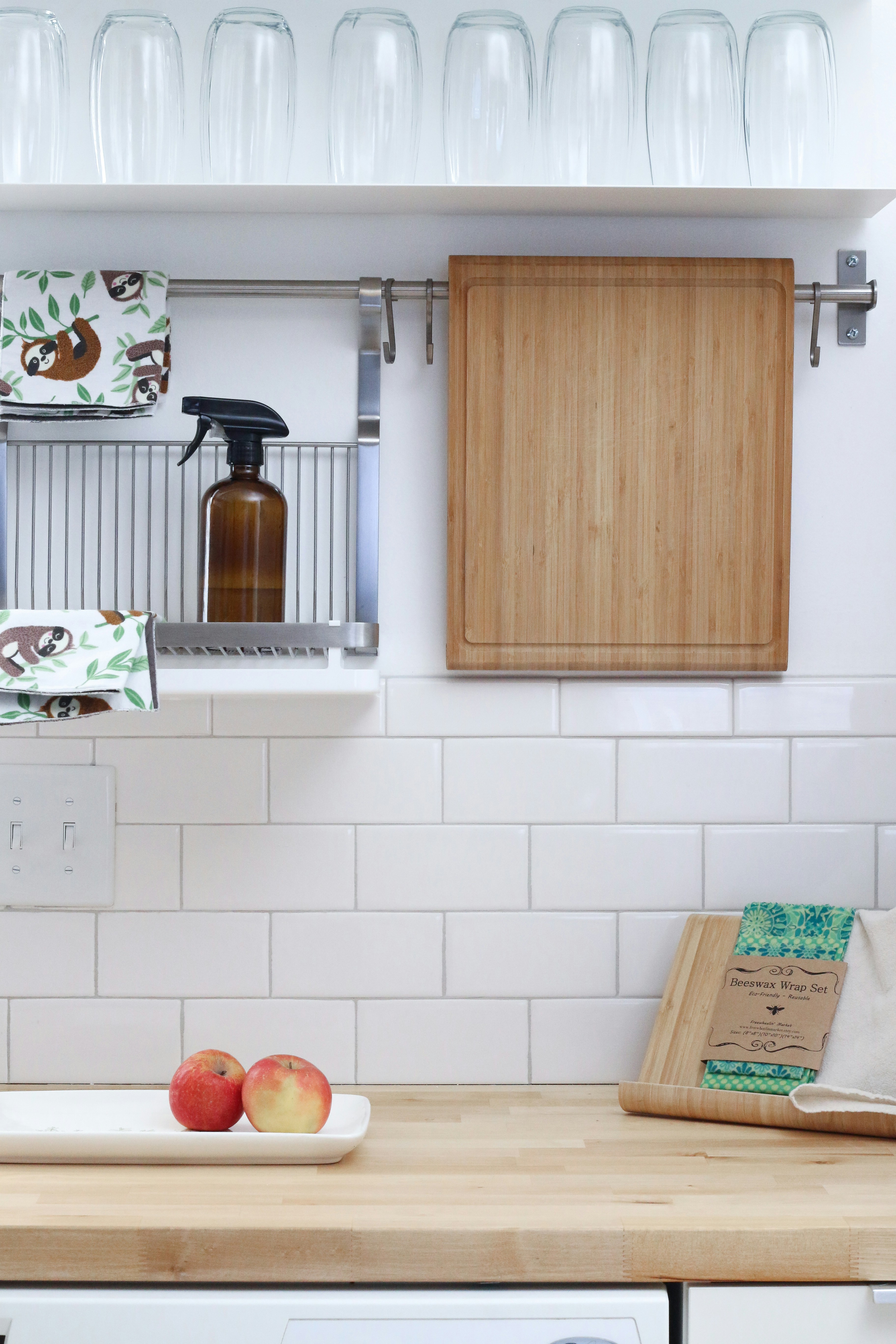
Another invaluable product is beeswax wraps. These versatile, reusable wraps serve as an alternative to plastic wrap, providing an excellent way to cover bowls or wrap fruits and vegetables. Made from organic cotton infused with beeswax, these wraps are breathable and can be used multiple times, which contributes to a substantial reduction in single-use plastic consumption.
Stainless steel straws are also a must-have for those seeking to minimize waste. Unlike traditional plastic straws, stainless steel options are both reusable and fully recyclable. They are sturdier and can be cleaned easily, making them ideal for everything from smoothies to cocktails. Their durability ensures that they can be used over many years, promoting a more sustainable lifestyle.
For grocery shopping, reusable produce bags are essential. These bags come in various sizes and are designed to replace single-use plastic bags commonly used for fruits and vegetables. They are typically made from breathable mesh or cotton, making them not only eco-friendly but also practical. Many stores now offer these items, both in-store and online, making it easy to incorporate them into your shopping routine.
Lastly, a compost bin is vital for a zero waste kitchen. Composting food scraps and organic waste significantly reduces landfill contributions while creating nutrient-rich compost for gardens. Many options are available, from countertop bins to outdoor composter systems, allowing individuals to choose the best fit for their lifestyle. By integrating these must-have zero waste kitchen products, one can transform their cooking experience into a more sustainable, eco-friendly practice.
Meal Planning for Waste Reduction
Meal planning is a pivotal strategy in creating a zero-waste kitchen, as it significantly minimizes food waste while promoting sustainability. By diligently planning meals, individuals can avoid the pitfalls of over-purchasing, which often leads to excess food that ultimately spoils. The essence of an effective meal plan is to incorporate seasonal ingredients, which not only supports local agriculture but also enhances the freshness and taste of meals.
To begin with, assess what ingredients are already available in the kitchen. Inspect the pantry and refrigerator for items nearing their expiration dates. This initial audit will guide the meal planning process, ensuring that existing ingredients are utilized. Next, consider creating a weekly meal plan that outlines each day’s meals, including breakfast, lunch, and dinner. This structured approach helps in informing grocery shopping and can limit impulse purchases.
Batch cooking is another significant aspect of meal planning that helps reduce waste. Preparing larger quantities of a dish at once can lead to multiple meals, which not only saves cooking time but also allows for leftovers to be repurposed creatively. For instance, a roasted vegetable medley could serve as a side dish one night and as a topping for a grain bowl the following day.
Effective portion control is equally important in the journey towards reducing food waste. Understanding the right portion sizes can help prevent excess food from being left uneaten. Utilizing measuring tools can aid in serving the appropriate amounts. Lastly, proper food storage is crucial; investing in reusable containers can keep food fresh longer and encourage the utilization of leftovers in future meals.
By applying these strategies, meal planning becomes an essential tool in promoting sustainability in the kitchen, ensuring that every ingredient is respected and utilized to its fullest potential.
Composting: Transforming Waste into Resource
Composting is a sustainable practice that contributes significantly to a zero waste kitchen by converting organic waste into valuable nutrient-rich soil. This process involves the decomposition of organic matter, such as food scraps and yard waste, facilitated by microorganisms and other decomposers. Through composting, individuals can divert a substantial amount of waste from landfills while simultaneously enriching their gardens and supporting environmental health.
There are several methods for composting, each varying in technique and space requirements. Kitchen compost bins are ideal for those with limited outdoor space; they allow for convenient disposal of vegetable peels, coffee grounds, and eggshells directly in the kitchen. Worm composting, or vermicomposting, utilizes red wigglers to break down organic material, producing high-quality compost in a compact environment. For those with more space, outdoor compost heaps can be constructed, requiring minimal investment and providing an ample area for composting larger amounts of organic waste.
To start composting at home, one should aim to gather a mix of “greens,” which are nitrogen-rich materials such as fruit scraps and vegetable waste, and “browns,” which include carbon-rich materials like dried leaves, straw, and cardboard. This balance is essential for effective decomposition. It is equally important to avoid composting certain items, including meat, dairy, and oily food, as these can attract pests and create odor problems.
The benefits of using compost in gardening are manifold. Compost improves soil structure, enhances moisture retention, and provides essential nutrients for plants, thereby promoting a healthy ecosystem. Moreover, by integrating composting into daily routines, individuals can actively participate in waste reduction, contributing to a more sustainable lifestyle. Embracing composting not only means repurposing kitchen waste but also fosters a deeper appreciation for the natural processes that sustain our environment.


